Top 10 Best Private Banks in India List 2025
January 09, 2025

August 05, 2026
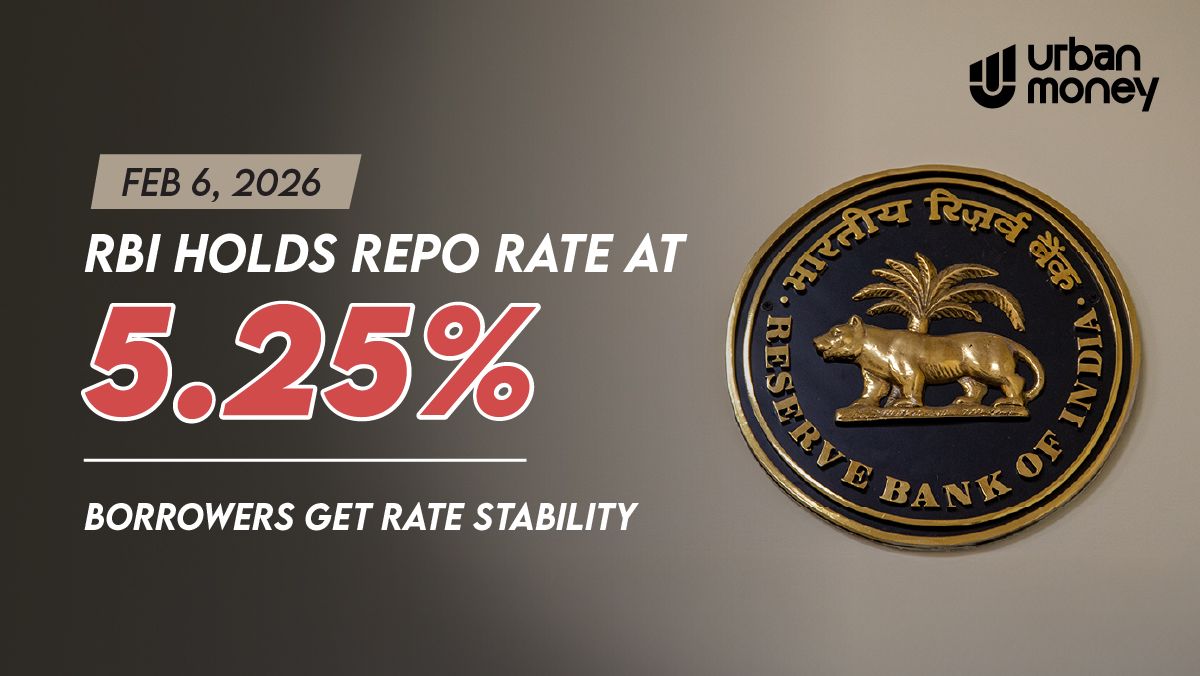
The Reserve Bank of India has maintained the benchmark repo rate at 5.25% for the fourth consecutive meeting. With lending rates holding steady, borrowers get a predictable window to focus on loan optimization, spread negotiations and smart debt management.
The Reserve Bank of India’s Monetary Policy Committee on August 5, 2026, voted to keep the benchmark repo rate unchanged at 5.25 percent. The Marginal Standing Facility (MSF) rate stands at 5.50 percent and the Standing Deposit Facility (SDF) rate is unchanged at 5.00 percent.
Announcing the decision following a three-day policy review, RBI Governor Sanjay Malhotra confirmed that the six-member committee agreed to maintain its neutral policy stance. The decision marks the fourth consecutive meeting where the central bank has held rates steady. This indicates that interest rates will remain unchanged while policymakers wait to see how economic conditions and inflation play out over the coming months.
This pause brings predictable news for borrowers. For anyone paying floating-rate home, auto or personal loans tied to the External Benchmark Lending Rate, the Equated Monthly Installments (EMI) will stay where they are. While borrowers will not see an instant drop in monthly outgo, they are also protected from sudden rate hikes.
Following the RBI’s announcement, Mr Vikas Bhasin, Managing Director, Saya Group said, “A stable interest rate environment is positive for the real estate sector as it provides confidence and certainty to prospective homebuyers planning to finance their purchase through a home loan.”
A steady benchmark rate changes how borrowers should plan. With the repo rate holding at 5.25 percent, borrowers do not need to wait for central bank meetings to get a better deal on loans. Borrowers can focus on practical steps like improving their credit score, choosing the right loan tenure or negotiating better terms directly with lenders.
A flat benchmark rate also creates a great window for balance transfers and spread adjustments. The interest rate you pay depends heavily on your lender’s profit margin or the spread. If you took a loan when rates were higher, you can negotiate a lower margin or switch to another financial institution offering a better rate. Even a small reduction in your loan spread can save you lakhs of rupees over a 15 to 20-year loan tenure.
Following RBI’s decision to keep the repo rate unchanged, Mr Pradeep Aggarwal, Founder and Chairman, Signature Global (India) Ltd said, “With inflation remaining within the central bank’s comfort range, policy stability provides much-needed confidence to both businesses and homebuyers.”
Home loans and personal financing remain accessible and demand for property loans continues to grow. Interest rates for prime applicants are currently hovering near the 8.5 percent mark. Because competition among banks and non-banking financial companies remains healthy, qualified applicants can still secure attractive offers and flexible repayment options.
Looking ahead, the central bank is keeping its options open as fresh economic numbers come in. For borrowers, the best strategy during a rate pause is to focus on managing debt wisely. Using spare funds or annual bonuses to make partial prepayments remains the fastest way to reduce the overall interest burden.



September 09, 2026
September 09, 2026
June 05, 2026
April 08, 2026
February 06, 2026

February 01, 2026






Top 10 Best Private Banks in India List 2025
January 09, 2025

Top10 List of Petrol Pump Companies in India
January 09, 2025

Dairy Farm Loan in 2025 : Online Procedure
January 09, 2025

Top 10 Best Bank for Home Loan In India…
January 09, 2025

Top10 Best Student Credit Cards in India 2025
January 09, 2025

Products & Offers

Tools & Calculators
CIBIL Score
Credit Cards
© 2026 www.urbanmoney.com. All rights reserved.


Need Loan Assistance?