- Home
- Credit Score
- Cibil Score Business Credit Cards Csgen
CIBIL Scores for Business Credit Cards
Business credit cards can be a common solution for entrepreneurs to manage finances. Users can expect various rewards and perks, including the facility to spend now and pay later on their business purchases and other pertinent financial transactions. However, it is crucial to use business credit cards wisely. Many often overlook the impact a business credit card can have on their CIBIL score.

- Instant Results
- No Hidden Fees
- Secure & Confidential
- No Impact on Your Credit Report
I agree to the Terms and Conditions of TUCIBIL and hereby provide explicit consent to share my Credit Information with Urban Money Private Limited.
Verify your number
Enter 6 Digit OTP
Change mobile number
Table of Content

 Written By

 Reviewed By
Last Updated: 12 July 2026
A CIBIL score is a three-digit number that gauges your financial creditworthiness. It typically ranges from 300 to 900 and is calculated based on your credit history. The higher the score, the better the creditworthiness, and vice versa. A higher CIBIL score further leads you to more favourable credit opportunities, including business credit cards, accompanied by attractive rates and terms.
This all-in-one guide will explain nearly everything you need to know about the significance of a CIBIL score for business credit cards. We further detail the best business credit cards available, tips to improve your CIBIL score, and other pertinent information related to your business credit card. Let’s scroll down.
5 Best Business Credit Cards
Here are five business credit cards you can opt for:
1. HDFC Business Regalia Credit Card

The HDFC Business Regalia Credit Card is perfect for frequent travellers and businesses that can leverage the high reward points and travel benefits to optimise their expenses. Let’s examine the key features of this business credit card:
- High credit limit, ideal for businesses with substantial monthly expenses.
- Complimentary airport lounge access both domestically and internationally.
- Attractive reward points on business-related expenditures.
- Offers substantial travel insurance coverage.
2. SBI Platinum Corporate Credit Card
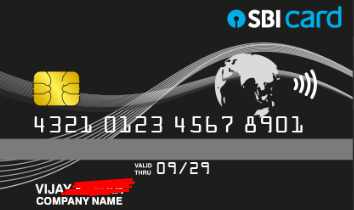
The SBI Platinum Corporate Credit Card is designed for businesses that need detailed tracking of their expenditures and extensive global reach. Let’s examine the key features of this business credit card:
- Customised spending limits for employees.
- Advanced expense management tools with detailed statements and reports.
- Global acceptance, making it suitable for international business transactions.
- Provides comprehensive insurance against air accidents and other travel-related issues.
3. Axis MY Business Credit Card
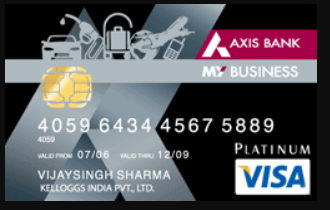
The Axis Bank MY Business Credit Card is tailored for small to medium-sized businesses that want to earn rewards on regular expenses and enjoy travel perks. Let’s examine the key features of this business credit card:
- High reward points on business spend, including travel, office supplies, and dining.
- Withdraw cash up to 30% of your credit limit from over 1 million Visa ATMs.
- Complimentary access to domestic airport lounges.
- Fuel surcharge waiver at all fuel stations across India.
4. ICICI Bank Business Advantage Black Card
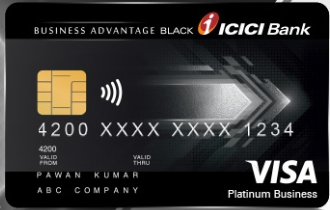
The ICICI Bank Business Advantage Black Card is ideal for businesses to streamline their expense management and take advantage of bulk discounts on essential services. Let’s examine the key features of this business credit card:
- Tailored solutions for different business needs, including large corporations and SMEs.
- Offers bulk discounts and special deals on travel and accommodation.
- Up to 1% cashback on domestic and international spending.
- Accept more than 48 countries across the world.
5. American Express Platinum Corporate Card

The American Express Platinum Corporate Card is suited for large businesses and corporations that require premium services, extensive travel benefits, and personalised assistance. Let’s examine the key features of this business credit card:
- Offer up to 5X rewards on every spend.
- Provide up to 51 days interest-free credit period.
- Exclusive offers on dining, entertainment, and shopping.
- Premium services and benefits, including extensive travel and lifestyle privileges.
Importance of a Good CIBIL Score for Business Credit Cards
A good CIBIL score is vital for obtaining a business credit card for several reasons:
- Higher Approval Chances: Lenders view a high CIBIL score as a sign of financial responsibility. This increases your chances of getting approved for a business credit card. A good score indicates that you are reliable with repayments, making lenders more willing to offer you credit.
- Better Credit Limits: A strong CIBIL score often leads to higher credit limits on your business cards. This gives your business greater financial flexibility as you can use more money. Hence, you can handle larger expenses and invest in growth opportunities without worrying about immediate cash flow constraints.
- Lower Interest Rates: Businesses with a high CIBIL score are likelier to receive lower interest rates on their credit cards. I.e., you will pay less over time, allowing you to allocate funds to other crucial business needs. This can significantly reduce your overall borrowing costs.
- Access to Premium Cards: Many of the best business credit cards with exclusive rewards and benefits require a high CIBIL score. These cards may provide travel rewards, cashback perks, special discounts, and more. Maintaining a good credit score thus grants access to these valuable financial instruments, enhancing business operations.
Factors Affecting Your CIBIL Score
Several factors influence your CIBIL score, which in turn affects your ability to secure a business credit card:
- Payment History: Timely payment of your business credit card bills and loans is crucial. Late payments, defaults, or missed payments significantly lower your CIBIL score. Maintaining a clean payment record ensures a higher score, reflecting your reliability to lenders.
- Credit Utilisation Ratio: This ratio is the percentage of your credit limit you use. A high credit usage percentage can lower your CIBIL score. In contrast, Keeping this ratio low shows you manage credit well, enhancing your score and creditworthiness.
- Credit History Length: The duration you’ve had credit accounts affects your score. A longer credit history demonstrates experience in managing credit. Moreover, a mix of old and new accounts can balance your score positively, indicating consistent credit usage over time.
- Types of Credit: A diverse mix of credit accounts, including business loans, credit cards, and mortgages, can boost your CIBIL score. This variety shows you can handle different types of credit, making you a lower risk to lenders.
- Recent Credit Inquiries: Each credit inquiry signals potential financial stress. Hence, frequent credit applications can negatively affect your CIBIL score. Too many inquiries within a short period suggest a higher risk of default, which may worry lenders.
- Outstanding Debt: The total amount of debt you owe impacts your score. High debt levels relative to your income or credit limits can lower your score. Paying down your current debt can improve your credit profile.
- Errors in Credit Report: Mistakes in your credit report, such as incorrect personal details or account information, can negatively affect your score. These inaccuracies might include misspelt names, wrong addresses, or erroneous account statuses. So, regularly checking your report to avoid such mishaps is prudent.
- Public Records: Negative public records, such as bankruptcies, tax liens, or court judgments, severely impact your score. Hence, it is essential to maintain proper financial discipline for a healthy CIBIL score.
- Debt-to-Income Ratio: This ratio compares your loan repayments to your income. A high ratio indicates financial strain and risk, lowering your score. Keeping your debt-to-income ratio low is advisable, as it helps you enhance your CIBIL score.
- New Credit Accounts: Opening several new credit accounts in a short span of time can negatively affect your score. It suggests potential over-reliance on credit. Gradually acquiring new credit helps maintain a balanced score.
How to Improve Your CIBIL Score for Business Credit Cards
Improving your CIBIL score for business credit cards requires consistent effort and financial discipline. Here are some strategies to help you boost your score:
- Pay your bills on Time: Ensure all your credit card and loan payments are made on or before the due date. Set up payment reminders or automate payments to avoid missing due dates, which can significantly improve your score.
- Limit Credit Utilisation: Aim to keep your credit utilisation below 30%. This shows that you are not overly dependent on credit. Moreover, lower credit utilisation indicates good financial management and positively impacts your CIBIL score.
- Avoid Multiple Credit Applications: Refrain from applying for multiple credit cards or loans. Each application results in a hard inquiry on your credit report. Too many inquiries within a short period can lower your score and suggest financial instability.
- Maintain Old Accounts: Keeping old credit accounts open can help build a longer credit history. A longer credit history provides lenders with more data about your financial behaviour. It shows your ability to manage credit over time, which enhances your score.
- Monitor Regularly: Check and report your credit score regularly. Monitoring helps you stay informed about your credit health and address any issues promptly, aiding in maintaining or improving your score.
Importance of Monitoring Your CIBIL Score Regularly
Regular monitoring of your CIBIL score is crucial for maintaining a healthy credit profile for a business credit card. Here’s why it’s important:
- Early Error Detection: Regularly checking your CIBIL score helps identify errors or discrepancies in your credit report early. Correcting these errors promptly can prevent them from negatively impacting your credit score, ensuring your financial profile remains accurate and reliable.
- Track Financial Progress: Monitoring your score over time allows you to track your financial progress. Observing how your score changes with your financial behaviour helps you make informed decisions to improve your creditworthiness and achieve your financial goals.
- Prevent Identity Theft: Regular checks help detect signs of identity theft, such as unfamiliar accounts or unauthorised inquiries. Early detection enables you to take immediate action to protect your identity and prevent further damage to your credit score.
- Understand Credit Behaviour: Consistent monitoring provides insights into how your financial actions impact your credit health. Understanding these dynamics allows you to adjust your behaviour to maintain or improve your score.
- Prepare for Major Loans: Monitoring your credit score regularly is vital if you plan to apply for significant loans or business credit cards. This proactive approach enhances your eligibility for better financial opportunities when making major commitments.

Latest from the Credit Score Blog
Get in-depth knowledge about all things related to Credit Score and your finances
First-Time User's Guide to Building Your Credit Score
Why does your First Credit Score matter? Many people pay attention to their credit score only when they need a loan. By then, it can already be too late to improve it quickly. Your first credit score becomes the foundati
CIBIL Score for a Bike Loan
What is the Minimum CIBIL Score for a Bike Loan? One of the biggest misconceptions is that every lender requires a score of 750 or higher. That isn’t how bike loan approvals work. At present, there is no common or RBI-ma
Gold Loan and CIBIL Score
Is a CIBIL Score required for a Gold Loan? One myth associated with gold loans is that every individual requires a good credit score to apply for one. The CIBIL score for a gold loan is not important because it is secure
CIBIL Score for an Education Loan
What CIBIL Score is required for an Education Loan? Lenders evaluate the overall credit risk of a joint application using specific institutional scoring brackets. The definitive CIBIL score for education loan approval ty
How To Increase CIBIL Score from 500 to 750
Is it possible to increase CIBIL score from 500 to 750? Achieving a prime credit score of 750 from a baseline of 500 is entirely possible with a systematic approach. A score of 500 typically reflects past payment delays,
Reasons Your CIBIL Score Dropped Suddenly
Why Did My CIBIL Score Drop Suddenly? Your CIBIL score is not static it changes over time based on the latest information that banks and financial institutions report to the credit bureau, usually every month. As new rep
Does BNPL affect your credit score?
What is BNPL? Buy Now, Pay Later allows you to purchase without paying the full amount upfront. It is commonly offered at online checkouts and is also gaining acceptance among offline merchants. This facility makes short
Experian vs CIBIL Score
What is an Experian credit score? Experian is a prominent global credit information company operating in dozens of countries and entered the Indian market with authorization from the Securities and Exchange Board of Indi
How Credit Utilisation Ratio Affects CIBIL Score
What is credit utilization ratio? The basic credit utilization ratio meaning centers on a simple comparison: it is the ratio of your total outstanding credit card balances to your total credit card limits. If you hold mu
Credit Score Monitoring
Why is credit monitoring important? Credit monitoring goes a long way in protecting and improving your financial health. Regularly reviewing your credit information can help you identify reporting errors or outdated deta
What is a Credit Report?
Why do credit reports matter? Two people can apply for the same loan with similar incomes and still receive different outcomes. One reason is the information sitting inside their credit reports. Lenders don’t just want t
CRIF Credit Score Free Check
What is the CRIF High Mark credit score? The CRIF High Mark credit score is a three-digit number that assesses your creditworthiness by tracking your past debt history. CRIF High Mark is one of the four core credit burea
Check Poonawalla CIBIL Score for Free
How to check CIBIL score on Poonawalla? A Poonawalla CIBIL check can be completed online within a few minutes. The platform allows users to access their TransUnion CIBIL score after basic identity verification. To begin,
Check Piramal CIBIL Score for Free
How to check the free CIBIL score on Piramal? You can access your complete credit assessment through the digital portal of Piramal Finance without incurring any processing charges. Piramal has simplified this process by
Factors Affecting Your Credit Score
What factors affect your credit score? Credit bureaus calculate credit scores using multiple aspects of your borrowing and repayment behavior. There is no single factor that determines your score; instead, several elemen

