- Home
- Credit Score
- ICICI Bank CIBIL Score
Check ICICI CIBIL Score and Requirements for Loans & Credit Cards
The ICICI Bank CIBIL score is one of the most crucial factors that affect your loan and credit card approvals. It is a 3-digit number ranging between 300 and 900, generated based on your credit behaviour and loan repayment history. Most banks and financial institutions, including ICICI Bank, use this score to check your creditworthiness before approving any type of loan or credit facility. A higher ICICI Bank CIBIL score improves your chances of getting faster loan approvals, lower interest rates, higher credit limits, and better repayment terms. In general, a score of 750 or above is considered good for most loan and credit card applications.

- Instant Results
- No Hidden Fees
- Secure & Confidential
- No Impact on Your Credit Report
I agree to the Terms and Conditions of TUCIBIL and hereby provide explicit consent to share my Credit Information with Urban Money Private Limited.
Verify your number
Enter 6 Digit OTP
Change mobile number
Table of Content
How to Check Your ICICI Bank CIBIL Score?
The following is the step-by-step procedure to check your ICICI CIBIL score:
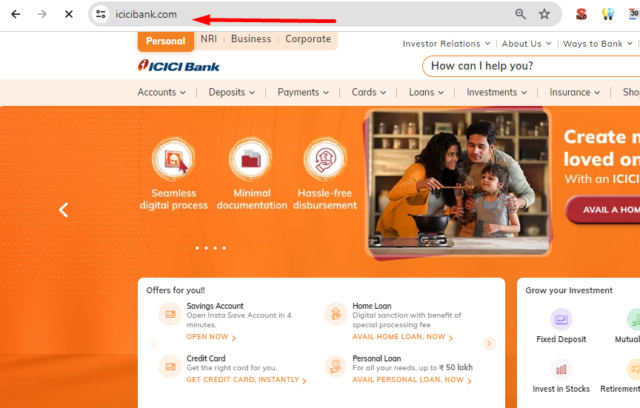
- Step 1: Browse the official ICICI Bank website.
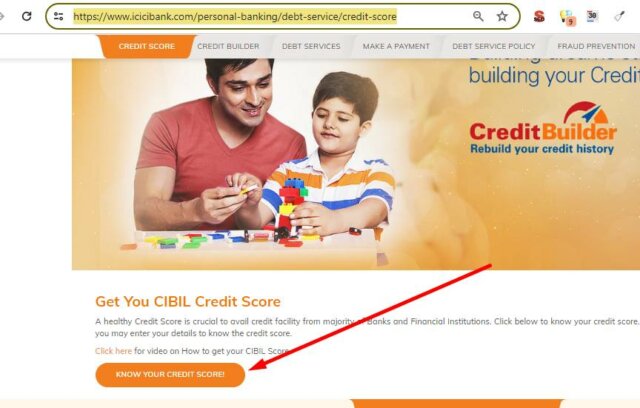
- Step 2: Click on ‘Know Your Credit Score’ to proceed.
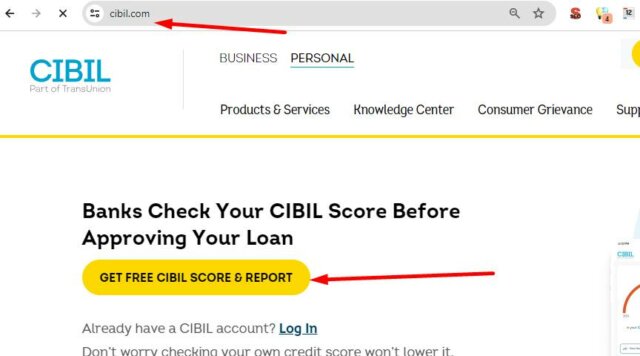
- Step 3: You will be redirected to a third-party site where you can enter your details to know your credit score.

- Step 4: Enter your basic details, such as gender, full name, email address, and mobile number.
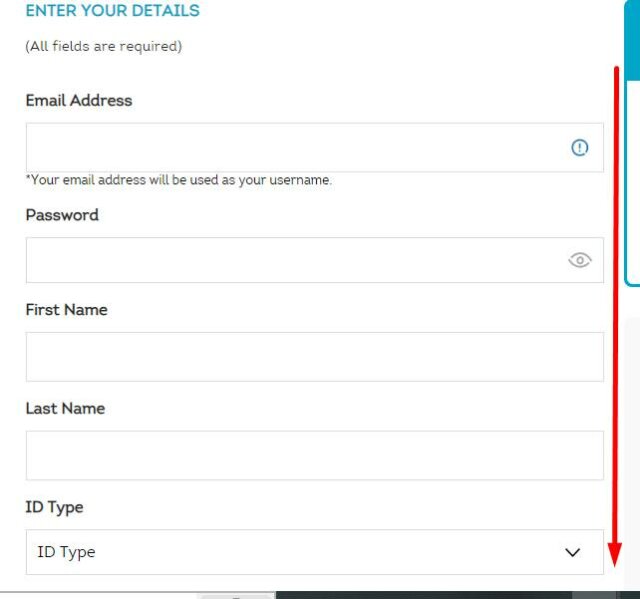
- Step 5: Verify your identity using OTP authentication by clicking on ‘Accept and Continue’
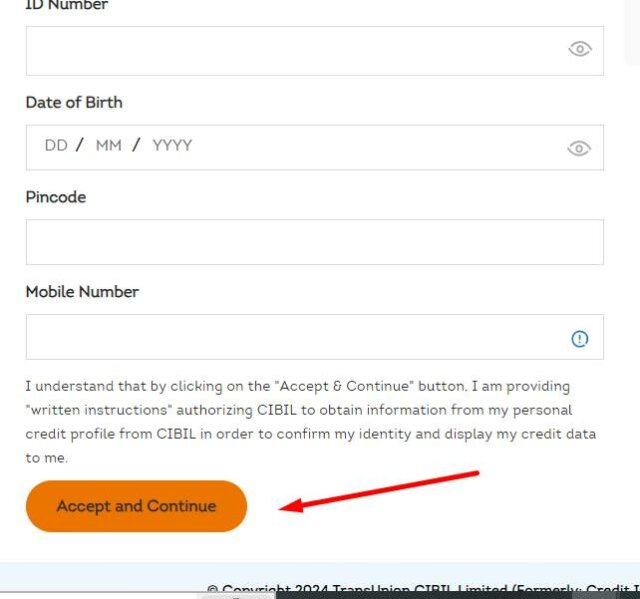
- Step 6: You can now view your CIBIL score and report, including your credit history and factors affecting your score.
What is the minimum CIBIL score needed for an ICICI home loan?
Your CIBIL score is a primary factor in determining your eligibility for an ICICI home loan. A score of 750 or above is typically seen as favourable, increasing the likelihood of loan approval and favourable terms. However, securing a loan with a score of around 700 is still feasible, though you might encounter higher interest rates or stricter requirements. So, it’s prudent to keep your score higher. Even a small improvement can lead to a better loan agreement and help you save a significant amount of your hard-earned money in the long run.
What is the minimum CIBIL score needed for an ICICI personal loan?
The minimum CIBIL score for ICICI personal loans is generally 700. If your score is at or above this mark, you’re typically considered a low-risk borrower, which can lead to quicker loan approval and potentially better terms. A higher CIBIL score enhances loan eligibility and positions you for more attractive rates and terms. On the other hand, if your score is below 700, you may face unfavorable rates and terms, which can even lead to application rejection.
What is the minimum CIBIL score needed for an ICICI Credit Card?
It’s better to have an ICICI CIBIL score of 750 or more when you apply for a credit card from ICICI Bank. This high score is crucial because it shows the bank you manage your money responsibly. It reflects how you’ve handled loans and credit cards in the past, including how regularly you make payments. As a result, you may get better offers from the bank, such as cards with more benefits, lower interest rates, and higher limits. A good CIBIL score tells the bank you’re a trustworthy borrower, which is pivotal when the bank issues a credit card.
Factors Influencing Your ICICI CIBIL Score
Here are the factors that influence your ICICI Bank CIBIL score:
- Payment History (35%): Your payment history is the most influential factor, accounting for 35% of your CIBIL score. Regular, timely payments of credit card bills and EMIs boost your score, while missed or late payments can cause it to plummet. This history reflects your financial discipline and reliability as a borrower.
- Credit Utilisation Ratio (30%): This measures how much credit you use compared to your available limit. Ideally, maintaining a credit utilisation ratio under 30% is seen as responsible credit behaviour. High utilisation can indicate over-leveraging and potential financial stress, negatively affecting your score.
- Credit Mix and Duration (25%): A healthy mix of secured (like home loans) and unsecured loans (like credit cards), along with a long history of credit usage, can positively impact your CIBIL score. It suggests that you have experience managing different types of credit responsibly.
- New Credit (10%): Every time you apply for new credit, a hard inquiry is made, which can slightly lower your score. Making several applications within a short period can be perceived as credit hunger, a red flag for lenders.
- Other Factors (Remaining %): Other less influential factors include the number of active loans and credit cards, the frequency of credit limit increases, and the diversity of credit accounts. A balanced approach to credit without excessive loans or credit cards can contribute to a higher score.
What are the Ranges of ICICI CIBIL Score?
Here are the applicable ranges of the ICICI CIBIL score:
| Score Range | Status |
| 750-900 | Excellent |
| 700-749 | Very Good |
| 650-699 | Good |
| 600-649 | Average |
| 300-599 | Poor |
How Your ICICI CIBIL Score Affects Your Loan Approvals
Here are the key elements that affect your CIBIL score for ICICI loans or other types of credit products:
- Loan Eligibility: Your CIBIL score is a primary factor that lenders consider when assessing loan eligibility. A high score indicates responsible credit behaviour and a lower risk of default, making you a more attractive candidate for loan approval. Conversely, a low score can lead to outright rejection, signalling a higher risk to lenders.
- Interest Rates: A higher CIBIL score often translates to lower loan interest rates. Lenders view a high score as a sign of good credit management and offer more favourable terms. It can significantly reduce your overall borrowing cost.
- Loan Amount: The amount of credit or loan you can be approved for is also influenced by your CIBIL score. A higher score can mean access to a larger loan amount because it suggests a higher likelihood of timely repayment.
- Loan Approval Process: A good CIBIL score for a loan can streamline the approval process. Lenders are more likely to expedite applications with high scores, leading to quicker fund disbursal.
- Negotiation Power: A strong CIBIL score gives you better leverage to negotiate the terms of your loan. This can include negotiating for a higher loan amount, lower interest rates, and more flexible repayment options.
How to Calculate Your ICICI CIBIL Score
CIBIL, a major credit bureau in India, calculates your ICICI CIBIL score. Lenders report your credit history to CIBIL, which analyses this data to determine your CIBIL score. Namely, CIBIL uses a complex algorithm considering various aspects of your credit behaviour. These include your repayment track record, current credit usage, the types of credit you have (like loans and credit cards), and how long you’ve been using credit.
While ICICI Bank can provide you with access to check your CIBIL score, the score itself is computed by CIBIL (Credit Information Bureau India Limited) using data from all your credit activities across different financial institutions.
Moreover, you can visit the official CIBIL or ICICI website to get your ICICI Bank CIBIL score. You must provide the necessary personal and financial details and follow the steps to receive your credit report.
Check CIBIL Score for Other Banks
| Check Kotak CIBIL Score | Check SBI CIBIL Score |
| Check PNB CIBIL Score | Check HDFC Bank CIBIL Score |
| Check Axis Bank CIBIL Score | Check Union Bank of India CIBIL Score |


 Written By


 Reviewed By
Last Updated: 23rd September 2026
Frequently Asked Questions (FAQs)
How can I check my ICICI CIBIL score online?
You can check your ICICI CIBIL score online through the official ICICI Bank website or trusted credit bureau platforms by entering basic details like your PAN number, mobile number, and date of birth.
What is a good CIBIL score for an ICICI Bank loan?
Generally, a CIBIL score of 750 or above is considered good for getting faster approval on ICICI Bank loans and credit cards.
What is the minimum CIBIL score required for an ICICI credit card?
Most ICICI Bank credit cards require a credit score of at least 700, although premium cards may need a higher score.
Does checking my ICICI Bank CIBIL score affect my credit score?
No, checking your own CIBIL score is considered a soft inquiry and does not impact your credit score.
What CIBIL score is required for a home loan from ICICI Bank?
No, checking your own CIBIL score is considered a soft inquiry and does not impact your credit score.
Can I check my ICICI CIBIL score without a PAN card?
In most cases, PAN is mandatory because it is the primary identity used to track your credit history in India.
Latest from the Credit Score Blog
Get in-depth knowledge about all things related to Credit Score and your finances
What is Credit Age?
Credit Age Meaning Credit age refers to the duration for which a borrower has held credit accounts, such as loans or credit cards. It indicates how long a person has had access to and managed credit, rather than simply c
CIBIL Score vs Loan Eligibility
CIBIL Score vs Loan Eligibility: How Are They Connected? A CIBIL score is one of the factors lenders may consider when assessing a borrower’s creditworthiness and repayment history. However, the relationship between CIBI
How Often is CIBIL Score Updated?
General update frequency (monthly cycle) The earlier fortnightly reporting system was replaced with a more frequent reporting framework from 1 July 2026. Under the current RBI framework: Credit institutions must submit
How payment history affects CIBIL score
Why payment history is the biggest scoring factor Payment history is a major part of the CIBIL score, but calling it the biggest factor would be inaccurate. CIBIL identifies four main factors: payment history, credit uti
Credit History vs Credit Score
What is credit history? Credit history is the record of how a person has used and repaid credit over time. In a CIBIL report, this includes credit facilities such as home loans, auto loans, personal loans, credit cards a
Consumer CIBIL Score vs Commercial CIBIL
What is a consumer CIBIL score? A consumer CIBIL Score is a three-digit measure of an individual’s creditworthiness, based on their personal credit history, and ranges from 300 to 900. A consumer credit report records lo
What is Credit Mix
What is credit mix? A CIBIL report can contain several credit accounts, and credit mix refers to how these accounts are distributed across different borrowing categories. An asset backs secured credit; common examples in
CIBIL Score for NRI
Do NRIs have a CIBIL score? Yes, an NRI can have a CIBIL score if CIBIL member institutions in India report their credit information. This can include an Indian home loan, personal loan, credit card, or other reported cr
How to Freeze CIBIL Score?
Is a full credit freeze available in India? Yes, a full credit freeze in India is available in India, but it must be executed individually. To secure complete protection, a consumer must manually activate a freeze or loc
How to check a company CIBIL Score
What is a company CIBIL Score? The term company CIBIL Score commonly refers to a business’s CIBIL credit standing. CIBIL uses different products for businesses and individuals. A CIBIL Company Credit Report (CCR) records
Use of CIBIL score
What is a CIBIL score? A CIBIL Score is a three-digit summary of an individual’s credit history and ranges from 300 to 900. CIBIL calculates it using information in the Accounts and Inquiries sections of the CIBIL Report
Trade Credit
Trade credit meaning Trade credit is credit extended by one business to another, allowing the buyer to purchase goods or services and pay later. In simple terms, the supplier becomes the creditor, and the buyer becomes t
Methods of Credit Control by RBI
What is credit control and why does the RBI use it In the Indian banking system, credit control refers to measures that influence the volume, cost, and availability of loans and advances. The Reserve Bank of India uses m
Grameen Credit Score
What is the Grameen Credit Score? The Grameen Credit Score is designed to provide a more suitable way of evaluating the creditworthiness of people in rural areas. In simple terms, the Grameen credit score is a credit ass
Four Types of Credit
What is credit? A quick recap Credit refers to money borrowed from a lender or goods and services received from a provider with an agreement to pay later. Unlike using your own money, taking out a loan creates a repaymen

