- Home
- Credit Score
- Credit Card for Low CIBIL Score
Credit Card for Low CIBIL Score
Dealing with a low CIBIL score can feel overwhelming. Often, life throws curveballs like medical emergencies or job losses that can lead to financial difficulties and, in turn, a poor credit rating. Sometimes, it’s just a matter of not knowing enough about how credit works. If you find yourself in this situation, you’re not alone. We’ve put together this guide to help. Here, you’ll find a selection of credit cards designed specifically for those working to improve their credit scores. We aim to give you the tools and information you need to make informed choices about credit cards that can help you start rebuilding your financial health. Let’s explore your options together.

- Instant Results
- No Hidden Fees
- Secure & Confidential
- No Impact on Your Credit Report
I agree to the Terms and Conditions of TUCIBIL and hereby provide explicit consent to share my Credit Information with Urban Money Private Limited.
Verify your number
Enter 6 Digit OTP
Change mobile number
Table of Content
6 Credit Cards for Low or No Cibil Score
| Credit Card | Annual Fee | Interest Rate | Security Deposit Required | Additional Benefits |
| SBI Advantage Plus Credit Card | Rs. 500 | 27% p.a. | Yes, up to 85% of FD | Flexipay, global ATM access |
| SBI Unnati Credit Card | None for 4 years, then Rs. 499 | 30% p.a. | Yes, against FD over Rs. 2.5 lakh | Contactless payments, Flexipay |
| Axis Bank Insta Easy Credit Card | None | 34.49% p.a. | Yes, up to 80% of FD | 1% fuel surcharge waiver, full cash withdrawal up to credit limit |
| Kotak Mahindra Aqua Gold Credit Card | None | 35.88% p.a. | Yes, up to 80% of FD | Fuel and railway surcharge waivers |
| HDFC Money-Back Credit Card | Rs. 500 | Varies | No | Cashback on spends, SmartEMI |
| Rupicard | None | N/A | Yes, minimum INR 5,000 FD | Lifelong free membership, 0.5% cashback |
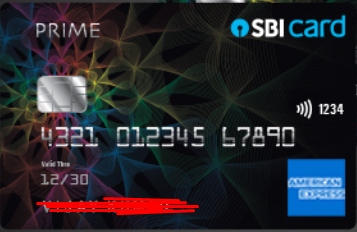
SBI Advantage Plus Credit Card
This card is ideal for building or improving your credit score. It is secured against an FD and offers a credit limit of up to 85% of the deposit. The card includes features like Flexipay, which lets you convert transactions into easy EMIs and access cash from ATMs worldwide.
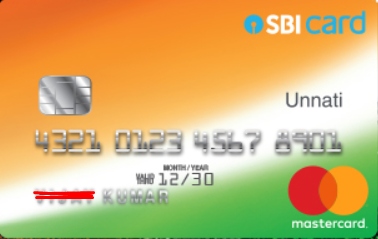
SBI Unnati Credit Card
With no annual fee for the first four years, the SBI Unnati card is a good starter option for those new to credit. It requires a fixed deposit but offers benefits like contactless payments and the ability to convert spending into EMIs with Flexipay.
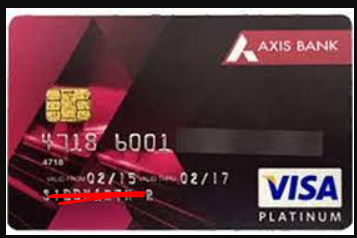
Axis Bank Insta Easy Credit Card
This easy credit card provides a credit limit of up to 80% of your FD value and includes perks like a 1% fuel surcharge waiver. It has no annual fee and lets you withdraw cash up to the total credit limit.
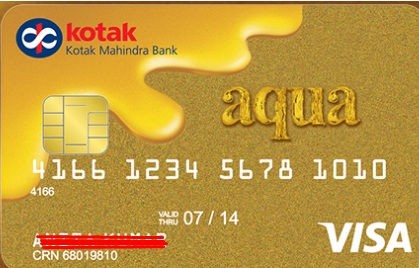
Kotak Mahindra Aqua Gold Credit Card
This card is secured against your FD and offers a credit limit of up to 80% of the deposit. Benefits include a fuel surcharge waiver for transactions between Rs. 500 and Rs. 3,500 and a railway surcharge waiver for bookings made on the IRCTC website.
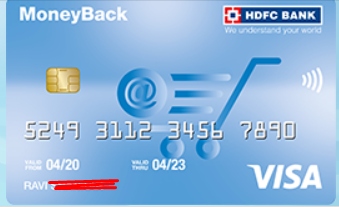
HDFC Money-Back Credit Card
This card offers benefits like cash back on every expenditure and the option to convert large purchases into EMIs with SmartEMI. It has a modest annual fee, and the interest rate varies based on your credit profile and the bank’s discretion.
Rupicard
The Rupicard targets those with very poor credit and requires only a minimal FD to start. It offers lifelong membership with no annual fees and includes a cash-back reward on all transactions, increasing the value of your spending.

Documents Required for Poor Credit Score Credit Cards
The required documentation may vary slightly when applying for a credit card with a poor credit score. Here’s a look at the typical documents you’ll need:
- Proof of Identity: You’ll need valid government-issued identification, such as a passport, driver’s license, or Aadhaar card, to verify your identity.
- Proof of Residence: Utility bills, rental agreements, or bank statements can serve as proof of your current residence.
- Income Proof: While income criteria might be less stringent for secured credit cards, you may still need to provide recent pay slips, tax returns, or bank statements to demonstrate your ability to manage credit.
- Bank Statements: Lenders often require recent bank statements to assess your financial behavior and existing financial obligations.
- Security Deposit Proof: For secured credit cards, you need proof of the deposit or the fixed deposit receipt, as it serves as collateral against the credit limit.
Understanding a Bad Credit Score
A bad credit score reflects past financial difficulties or poor management of credit resources, which can impede your ability to obtain loans. Credit scores generally range from 300 to 900, and scores below 580 are considered poor.
A poor credit score can restrict one’s access to financial products and lead to higher interest rates. Common causes of a bad credit score include late payments, loan defaults, high credit card utilization rates, and limited credit history.
Improving a bad credit score is achievable. Effective strategies include making timely payments, reducing your debt, and avoiding new credit inquiries, which can increase your score. You can consistently enhance your credit score over time by managing these aspects.
Selecting the Best Credit Cards for Poor Credit
When searching for a credit card with a bad credit history, choosing the right one can significantly impact your financial rehabilitation. Here’s how to choose a credit card if you have poor credit:
- Consider Secured Credit Cards: These cards require a security deposit, which often serves as your credit limit. They are easier to get with a low credit score and can help you build credit if used responsibly.
- Look for Low Fees: Prioritize cards with low annual fees, no application fees, and reasonable interest rates. Avoid cards that charge high fees relative to their credit limits.
- Check for Credit Reporting: Ensure the card issuer reports to all major credit bureaus. Regular reporting of your credit activity helps build your credit score when you pay on time.
- Evaluate the Approval Odds: Some credit cards are specifically designed for individuals with poor credit and advertise higher approval odds. Opt for these cards to increase your chances of approval.
- Review Additional Benefits: While your options may be limited, look for cards that offer benefits like cash back, a rewards program, or free credit score monitoring.


 Written By


 Reviewed By
Last Updated: 25th September 2026
FAQs
What is the minimum credit score required to obtain a credit card?
Some credit cards, especially secured ones, might not require a minimum credit score, making them accessible even tothose with low scores.
Which credit card offers the simplest approval process?
Secured credit cards, such as the Rupicard, generally offer the easiest approval because they are backed by a fixed deposit.
What is the upper limit for a poor credit score?
A poor credit score typically tops out at 579.
What is the quickest method to obtain a credit card?
Applying for instant approval credit cards online, especially those that offer pre-approval, is the fastest way to get a credit card.
Which type of credit card is considered superior?
The best type of credit card depends on individual financial needs, but rewards and cashback cards are popular for their benefits.
Is it possible to receive a credit card within a single day?
Yes, instant approval credit cards can potentially be obtained in a day if you apply online and meet the issuer’s criteria.
Latest from the Credit Score Blog
Get in-depth knowledge about all things related to Credit Score and your finances
What is Credit Age?
Credit Age Meaning Credit age refers to the duration for which a borrower has held credit accounts, such as loans or credit cards. It indicates how long a person has had access to and managed credit, rather than simply c
CIBIL Score vs Loan Eligibility
CIBIL Score vs Loan Eligibility: How Are They Connected? A CIBIL score is one of the factors lenders may consider when assessing a borrower’s creditworthiness and repayment history. However, the relationship between CIBI
How Often is CIBIL Score Updated?
General update frequency (monthly cycle) The earlier fortnightly reporting system was replaced with a more frequent reporting framework from 1 July 2026. Under the current RBI framework: Credit institutions must submit
How payment history affects CIBIL score
Why payment history is the biggest scoring factor Payment history is a major part of the CIBIL score, but calling it the biggest factor would be inaccurate. CIBIL identifies four main factors: payment history, credit uti
Credit History vs Credit Score
What is credit history? Credit history is the record of how a person has used and repaid credit over time. In a CIBIL report, this includes credit facilities such as home loans, auto loans, personal loans, credit cards a
Consumer CIBIL Score vs Commercial CIBIL
What is a consumer CIBIL score? A consumer CIBIL Score is a three-digit measure of an individual’s creditworthiness, based on their personal credit history, and ranges from 300 to 900. A consumer credit report records lo
What is Credit Mix
What is credit mix? A CIBIL report can contain several credit accounts, and credit mix refers to how these accounts are distributed across different borrowing categories. An asset backs secured credit; common examples in
CIBIL Score for NRI
Do NRIs have a CIBIL score? Yes, an NRI can have a CIBIL score if CIBIL member institutions in India report their credit information. This can include an Indian home loan, personal loan, credit card, or other reported cr
How to Freeze CIBIL Score?
Is a full credit freeze available in India? Yes, a full credit freeze in India is available in India, but it must be executed individually. To secure complete protection, a consumer must manually activate a freeze or loc
How to check a company CIBIL Score
What is a company CIBIL Score? The term company CIBIL Score commonly refers to a business’s CIBIL credit standing. CIBIL uses different products for businesses and individuals. A CIBIL Company Credit Report (CCR) records
Use of CIBIL score
What is a CIBIL score? A CIBIL Score is a three-digit summary of an individual’s credit history and ranges from 300 to 900. CIBIL calculates it using information in the Accounts and Inquiries sections of the CIBIL Report
Trade Credit
Trade credit meaning Trade credit is credit extended by one business to another, allowing the buyer to purchase goods or services and pay later. In simple terms, the supplier becomes the creditor, and the buyer becomes t
How to Get 900 CIBIL Score
Is 900 the maximum CIBIL score? Yes, 900 is the maximum CIBIL score on the scale set by TransUnion CIBIL. The scoring model runs strictly between 300 and 900. A 300 rating shows high default risk, while 900 reflects a cl
Methods of Credit Control by RBI
What is credit control and why does the RBI use it In the Indian banking system, credit control refers to measures that influence the volume, cost, and availability of loans and advances. The Reserve Bank of India uses m
Grameen Credit Score
What is the Grameen Credit Score? The Grameen Credit Score is designed to provide a more suitable way of evaluating the creditworthiness of people in rural areas. In simple terms, the Grameen credit score is a credit ass

