


Best Cashback Credit Cards 2025
Automatic Savings on Purchases

Bonus Cashback on Online Shopping

- Home
- Credit Card
- Best Cashback Credit Cards
Popular Cashback Credit Card Offers
Scout through some of the best hand-picked credit card offers.
Categories

Cashback

Online Shopping

Lifetime Free

Rewards
Shopping

Fuel

Movies

Travel

Dining

Premium

Lounge Access
Filter
Banks

Axis Credit Card

AU Small Finance Credit Card

Kiwi

HDFC Credit Card

HSBC Credit Card


FLIPKART AXIS BANK Credit Card
Cashback
Online Shopping

Joining Fee: ₹500 + Taxes

Annual/Renewal Fee: ₹500 + Taxes
- Upto 5% cashback on spends at Flipkart.
- Upto 7.5% cashback on Myntra.
- Upto 5% cashback on Cleartrip.
+ More Details

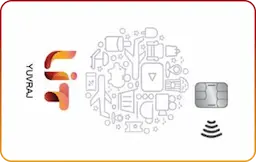
AU LIT Credit Card
Rewards
Cashback
Joining Fee: ₹0
Annual/Renewal Fee: ₹0
- Upto 5% cashback @ Rs. 299.
- 10X/5X on domestic/international spends.
- Up to 2% cashback @ Rs. 199.
+ More Details


Kiwi Credit Card
Lifetime Free
Rewards
Cashback
Joining Fee: Nil
Annual/Renewal Fee: Nil
- Upto 2% Cashback on UPI transactions.
- Up to 5% cashback on achieving annual spend milestones.
- Complimentary airport lounge access at specific milestones.
+ More Details


SWIGGY HDFC BANK Credit Card
Dining
Cashback
Joining Fee: ₹500
Annual/Renewal Fee: ₹500
- Upto 5% cashback on everyday spends.
- Upto 10% cashback on spends at Swiggy.
- Annual fee waived on ₹2L+ yearly spend.
+ More Details

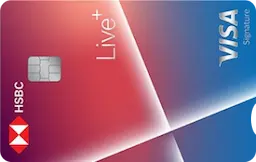
HSBC Live+ Credit Card
Dining
Cashback
Joining Fee: ₹4,999 + taxes
Annual/Renewal Fee: ₹4,999 + taxes
- Upto 15% off on dining at partner restaurants.
- Up to 10% Cashback on dining, grocery & more.
- Complimentary domestic lounge visits every year.
+ More Details

AU Altura Credit Card
Cashback
Joining Fee: ₹199 + Taxes
Annual/Renewal Fee: ₹199 + Taxes
- Upto 2% Cashback on bills & other retail spends.
- Upto 5% Cashback on spends.
- Upto 2 complimentary at railway stations.
+ More Details

MILLENNIA Credit Card
Cashback
Online Shopping
Joining Fee: ₹1,000
Annual/Renewal Fee: ₹1,000
- 1,000 bonus points on card activation.
- Upto 5% cashback on popular everyday brands.
- Up to 20% savings on partner restaurants.
+ More Details
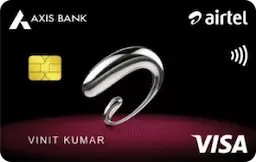
AIRTEL AXIS BANK Credit Card
Cashback
Joining Fee: ₹500 + Taxes
Annual/Renewal Fee: ₹500 + Taxes
- Up to 25% cashback on Airtel Thanks App.
- Complimentary domestic lounge visits yearly.
- 10% cashback on Zomato & Swiggy.
+ More Details

FIBE AXIS BANK Credit Card
Lifetime Free
Cashback
Joining Fee: Nil
Annual/Renewal Fee: Nil
- Complimentary domestic lounge visits yearly.
- Up to 3% value-back.
- 1% fuel surcharge waiver up to ₹5,000.
+ More Details
What is a Cashback Credit Card?
A cashback credit card is simple – you spend money and get some back. With money-back credit cards, the bank credits a rupee value to your account for eligible purchases, usually as statement credit that directly lowers what you owe. No catalogues to browse, no hoops, it is just a visible reduction on the bill.
Unlike rewards points, which need conversions and often lose value, cashback credit cards pay in plain numbers. You use the card for everyday expenses, and the issuer posts the credited amount on your statement within its set timeline. That’s the whole idea: clear, usable savings without extra steps.
Key Features of Cashback Credit Cards
If you’re shortlisting the best card with cash back or a quick, fuss-free best cash back cc, focus on the rules beneath the headline rate. That’s where savings (and limits) actually live.
- Earning structure: Flat-rate on all spends, or boosted rates for set categories (groceries, utilities, food apps). The grid decides everything.
- Monthly ceilings: Most products cap how much you can earn per statement cycle; above the cap, earnings drop to the base rate.
- Per-transaction limits: Some cards also limit cashback per transaction to curb extensive single purchases.
- Exclusions list: Wallet loads, rent payments, cash advances, fee/interest charges, and some EMIs usually don’t earn.
- Posting model: Automatic statement credit is common; a few issues, “cash points” that you convert (sometimes with a minimum redemption threshold).
- Timing: Credits typically reflect in the same or next cycle once the transaction is posted and the bill is generated.
- MCC dependency: Rewards are tied to the merchant category code (MCC) your transaction is assigned to, not the store’s branding.
- Welcome/accelerators: Some cards add limited-time multipliers or spend-based boosters in the first few months.
- Refund treatment: Returns or cancellations claw back the proportional cashback on your next statement.
- Tracking & control: Bank apps show earned vs. remaining cap; useful for switching cards when you’re close to the ceiling.
Types of Cashback Rewards
Shortlists of the best cashback reward credit cards look similar at first glance, but the payout structures differ significantly. Pick the format that matches how you actually spend.
- Flat-rate cashback: One steady percentage on almost everything. Great “one-card” setup for mixed, everyday spending where you don’t want to track categories.
- Category/brand boosters: Higher rates on specific spends (groceries, utilities, food apps, selected marketplaces) with a monthly ceiling; base rate on the rest. Best if most of your budget is allocated to a few repeat categories.
- Tiered or milestone slabs. Hit a spend threshold in the cycle, and the rate steps up (or unlocks a bonus). Works for predictable monthly budgets, less so for sporadic shoppers.
- Rotating categories. Quarterly calendars that switch bonus categories (e.g., Q1 groceries, Q2 travel). Substantial value if you’re willing to adjust where/when you buy – otherwise, you’ll miss the window.
- Instant vs statement credit: Some merchants show a discount at checkout (instant cashback), while others credit it to your statement later. Instant feels rewarding, but a statement credit is easier to audit and track against caps.
- Wallet/app-linked boosts: Extra cashback for paying through a named app, wallet, or gateway. Handy during sale weeks, but read caps and any “app-only” fine print.
How do Cashback Credit Cards Work?
If you want the best credit card for cashback rewards, it helps to know how the card decides what you earn and when the money shows up on your bill.
- MCC decides your rate: Every merchant has a Merchant Category Code. Your earn rate follows that code (e.g., grocery, utilities), not the store’s brand name.
- Cycle-based earnings: You earn at the card’s grid until you hit the monthly cap; any spend past the ceiling drops to the base rate for the rest of that statement cycle.
- How cashback is posted: Most banks credit the credit statement after the bill is generated; some use “cash points” that you can convert to statement credit or vouchers once you meet a minimum.
- What doesn’t earn: Wallet loads, rent payments, cash advances, fees/interest, and some EMI transactions usually don’t qualify. Your statement will show ₹0 cashback for these.
- Refunds & cancellations: If you return a purchase, the card claws back the proportional cashback on a later statement.
- Per-transaction caps (when present): Large single payments may be capped for cashback even if your monthly cap isn’t exhausted; check both limits.
- Posting vs settlement: Only posted (not pending) transactions count for the cycle’s cashback; international spends may reflect after currency settlement.
- Bill payment impact: Paying in full keeps every rupee of cashback; revolving a balance triggers interest that can outweigh what you earn.
- Tracking: Most banking apps show the amount you’ve earned and the remaining cap in real time; switch to a backup card once you’re close to the ceiling.
Eligibility Criteria For Cashback Credit Cards
Before you chase the best credit card for cashback, make sure you’ve cleared the basics. Banks keep it simple, but they do check a few boxes.
- Age & residency. Adult Indian resident (commonly 18/21+ minimum). Upper age limits vary by product.
- Income proof. Salaried or self-employed with steady, documented income. Higher tiers expect higher income.
- Credit profile. Clean repayment track, low recent delinquencies, and sensible utilisation help approvals and better limits.
- Existing obligations. Lenders look at the EMIs/loans you already have to assess your affordability.
- Work stability. For salaried employees, the current employer tenure and probation status can matter. For business owners, vintage and filed ITRs are required.
- Location & sourcing. Some cards launch city by city, so the availability depends on the bank’s serviceable locations.
- KYC & compliance. Full PAN + ID/address KYC, and re-KYC when the bank asks.
- Internal banking relationship. Salary account or prior products with the issuer can speed things up or nudge limits higher.
Documents Required for Cashback Credit Cards
Applying for a credit card with the best cashback is straightforward. Banks in India require standard KYC and proof of income. Keep these documents handy so the process doesn’t stall.
- Identity & address proof: Aadhaar, Passport, Driving Licence, or Voter ID; a recent utility bill (within 3 months) works for address.
- PAN/Form 60: PAN is standard for cards; Form 60 is only used in limited cases.
- Income (salaried): Latest salary slips (1–3 months), bank statement (3–6 months), and sometimes Form 16.
- Income (self-employed): ITRs for the last 2 years, audited financials (if available), and GST/Business registration (where relevant).
- Photograph/e-KYC: Most issuers complete video-KYC or e-KYC; keep the originals nearby for quick verification.
- Extra, if asked: Company ID, existing bank account details, or address confirmation for recently moved applicants.
How to Apply for Cashback Credit Cards through Urban Money?
If you want the best cash-back card without juggling tabs, Urban Money keeps the flow simple. Compare, apply, and let the bank do the checks. Here are the simple steps:
- Go to Urban Money’s credit card section and pick a cashback card you like.
- Open the card page and skim the earn rates, caps, exclusions, and fees.
- Tap Apply Now, then enter your basic details (name, mobile, city, job type).
- Upload KYC (ID + address) and income proofs inside the form.
- Urban Money forwards your application to the bank.
Why Use a Cashback Credit Card?
If you’re after the best credit card for cashback rewards, go for simple, repeatable wins. Cashback shows up as money off your bill, not points you’ll forget to redeem.
- Immediate value on routine spends: Groceries, utilities, cabs, food apps—frequent categories mean frequent credits you can actually see on the statement.
- Set-and-forget savings: A flat-rate card quietly covers “everything else,” while a category card handles your biggest bucket (say, groceries). No spreadsheets.
- Better control of net costs: Statement credit reduces what you owe; it’s easier to forecast monthly outgo vs. juggling voucher values.
- Works for families and solo users: Shared household bills (milk runs, mobile recharges, DTH) keep the earn engine running even in slow months.
- Stacks with sale weeks: When brands run offers, your card’s base cashback still applies—useful during festivals or big appliance buys.
- Low maintenance vs. travel points: No award charts, no blackout dates. If you don’t fly much, cashback is usually the cleaner deal.
- Good for building habits: Seeing rupees credited back encourages on-time, in-full payments, keeps interest away and the card healthy.
Risks, Fees & Drawbacks of Cashback Credit Cards
Chasing the best credit card with cash back still has trade-offs. Read these before you swipe so your “money back” doesn’t quietly shrink.
- Caps limit upside. Most cards set a monthly/statement ceiling; once you hit it, earnings fall to base. Big spenders top out fast.
- Per-transaction limits. Some products cap cashback on a single large purchase—something to keep in mind before paying for appliances or fees in one go.
- Excluded categories. Wallet loads, rent, fuel, cash advances, and EMI conversions often earn zero or reduced cashback. Fine print decides it.
- Delayed posting. Statement-credit timing varies; international transactions or refunds can push the credit to a later cycle.
- Value dilution via points. A few “cashback” cards actually pay in cashpoints with expiry or minimum redemption requirements, which are less flexible than auto statement credit.
- Interest wipes gains. Even a small part of the bill can cost more than you earn back. Cashback doesn’t cancel finance charges.
- Annual fee calculation. High-fee cards demand consistent monthly spend to break even; in slow months, you may not recover the fee.
- Partner changes. Category lists and promo brands move around; yesterday’s “best” grid may look average next quarter.
- Returns claw-back. If you refund an item, the proportional cashback gets reversed—your next statement shows the adjustment.
- Multiple-card complexity. Running a flat card plus a booster works, but it’s easy to lose track of caps and post the spend to the wrong card.
How to Compare Cashback Cards (Checklist)
Shortlist the best cashback cards by matching the earn grid to your real spend. Quick filter first, bragging rights later.
- Spend map fit: Groceries, utilities, cabs, or food apps. Pick the card that pays the most, where your money actually goes.
- Monthly ceiling: Note the rupee cap per cycle. If your bill crosses it often, you’ll slide to base earn for the rest of the month.
- Per-transaction limit: Some products cap cashback on big single swipes. Split a large checkout if the merchant allows separate invoices.
- Flat vs booster: One flat card for “everything else,” one category booster for your heaviest bucket. Keep it to two to avoid confusion.
- Posting style: Auto statement credit is effortless. Cashpoints need a quick redemption step and can expire.
- Exclusions list: Wallet loads, rent, cash advances, and certain EMIs often don’t earn. Check the fine print before setting up payments.
- Fee recovery calculation: Annual fee should be covered by the expected cashback at your spend level. If it’s tight, pick a low- or zero-fee option.
- App experience: Real-time tracker for earned amount and remaining cap saves mistakes near the month-end.
- Refund handling: For returned orders, claw back the proportional cashback. Good apps show adjustments clearly.
- Support & changes: Issuers tweak caps and partner lists. Favour cards with transparent updates inside the app or on the product page.
Tips to Maximise Your Cashback Earnings
If you want the best credit card for cashback rewards to actually save money, build a routine. Small tweaks each month add up fast.
- Run a two-card setup. Keep one flat-rate card for “everything else” and one category booster (groceries/food apps/utilities). Swap the moment your booster hits its monthly cap.
- Track the ceiling. Check the app mid-month for “earned vs remaining.” If you’re close to the cap, switch cards so the rest of your spend doesn’t earn at the base rate.
- Split smart purchases. Where merchants allow separate invoices, break a large cart into two bills to avoid per-transaction cashback caps.
- Time for the big buys. Align appliances/phones with issuer sale weeks or partner events; stack card cashback with merchant promos for a higher effective rate.
- Respect exclusions. Don’t assume rent, wallet loads, or certain EMIs earn. If it’s on the exclusion list, use a different payment method.
- Keep MCC in mind. Some “grocery” stores code as department or wholesale. If a payment posts with the wrong MCC, you’ll miss the bonus. It is recommended to choose merchants who code correctly.
- Redeem cleanly. Prefer automatic statement credit; if your card pays as cashpoints, set a monthly reminder so the value doesn’t expire.
- Never revolve. Interest kills cashback. Pay the complete statement amount; partial payments erase the gain.
- Use virtual/tokenised cards online. Safer checkouts reduce disputes, and clean accounts keep issuers generous with promotions.
- Audit refunds. Returned orders will claw back the proportional cashback—scan the following statement to keep your tracking accurate.

 Written By

 Reviewed By
Last Updated: 14th November 2025
Frequently Asked Questions (FAQs)
How Does Credit Card Cashback Work?
Every eligible purchase earns a small percentage back. Your bank tallies it for the cycle and posts it as statement credit (or “cash points” you can convert). With cashback credit cards, you don’t chase catalogues; the amount simply reduces what you owe next month.
How To Maximise Cash Back with Your Credit Card?
Map your monthly spend, then pair one flat card with one category booster. Track caps mid-cycle, time big buys around sale weeks, and always pay in full so interest doesn’t erase gains. That’s the most straightforward path to the best credit card for cashback rewards outcome.
Which credit card gives the maximum cashback in India?
It changes—rates, caps, and partner lists move. Instead of a single “winner,” match your top categories (groceries, utilities, food apps, marketplaces) to a live grid. The best credit card cashback for you is the one that pays the most where you actually spend.
How to get cashback by paying the credit card bill?
Normally, you don’t. Cashback is earned on spending and then posted to your statement. Bill-payment cashback is occasionally offered as a promo by banks/apps; if you see one, read the terms (caps, minimum bill, and posting timeline) before relying on it.
Most Popular on Urban Money
More Categories You Like
Cashback Credit Cards from Other Banks

