


Best Fuel Credit Cards 2026
Fuel waiver

Extra points

- Home
- Credit Card
- Best Fuel Credit Cards
Popular Fuel Credit Card Offers
Scout through some of the best hand-picked credit card offers.
Categories

Cashback

Online Shopping

Lifetime Free

Rewards
Shopping

Fuel

Movies

Travel

Dining

Premium

Lounge Access
Filter
Banks

Yes Pop-Club Credit Card

Axis Credit Card

IDFC First Credit Card

HDFC Credit Card


Yes Bank Pop Credit Card
Fuel
Rewards

Joining Fee: Nil

Annual/Renewal Fee: Nil
- Earn 10 POPcoins for every Rs. 100 spent on online transactions.
- Earn 2 POPcoins for every Rs. 100 spent on offline purchases.
- Get accelerated POPcoins across 500+ selected brands via the POPclub app.
+ More Details

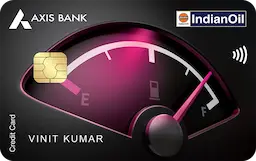
Joining Fee: ₹500 + taxes
Annual/Renewal Fee: ₹500 + taxes
- Upto 5% value-back on Indian Oil fuel spends.
- Domestic airport lounge visits every year.
- 2X rewards on grocery & supermarket spends.
+ More Details


FIRST Power Credit Card
Rewards
Fuel
Joining Fee: ₹499+taxes
Annual/Renewal Fee: ₹499+taxes
- Up to 6.5% savings on your fuel expenses.
- Upto 5% savings as Rewards on Grocery & Utility expenses.
- Upto 25% off on 1 movie/month via Paytm.
+ More Details

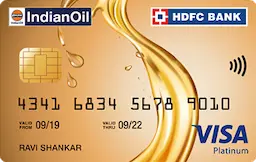
Joining Fee: ₹500 + taxes
Annual/Renewal Fee: ₹500 + taxes
- 1% fuel surcharge waiver (Max ₹250/month).
- Free IndianOil XTRAREWARDSTM membership.
- Annual fee waived on ₹50,000+ spend.
+ More Details

LIC AXIS BANK PLATNIUM Credit Card
Rewards
Fuel
Dining
Joining Fee: Nil
Annual/Renewal Fee: Nil
- Reward points on every spends.
- Convert eligible transactions into easy EMI.
- Insurance Coverage
+ More Details

LIC AXIS BANK SIGNATURE Credit Card
Rewards
Lounge Access
Fuel
Dining
Joining Fee: Nil
Annual/Renewal Fee: Nil
- Reward points on every spends.
- Complimentary Domestic Airport Lounge visits in a year (Max 2 per quater).
- Insurance Coverage
+ More Details

Understanding Fuel Credit Cards and How They Save You Money
Petrol prices climb, dip, then climb again, but never stay quiet for long. Each refill can cause a slight sting, especially if you drive every day. A fuel credit card can ease that pinch. It gives back a slice of what you spend, either as cash back or reward points, while cutting the fuel surcharge that most cards ignore. Not every card works the same way. Some are linked to IndianOil or HPCL outlets, while others reward fuel along with everyday expenses such as groceries or utilities.
If you’ve been comparing the best credit card for fuel or searching for a lifetime free fuel credit card, you’ll find clear options on Urban Money. The platform lists all major petrol credit cards it offers, including Yes Bank Pop, IndianOil Axis Bank, FIRST Power, ICICI Bank HPCL Super Saver, and IndianOil HDFC Bank. You can see their fuel surcharge waivers, cashback or reward rates, and fee structure in one place, making it easier to match a card to your refuelling pattern. Refuelling costs will not drop overnight, but the right fuel cashback credit card makes each tank a little less expensive.
What are Fuel Credit Cards?
A fuel credit card is designed to recover part of what you spend at the pump. Banks or card issuers design them, so you earn points, cashback, or minor waivers on the surcharge that usually comes with petrol or diesel transactions. The setup sounds technical, but in practice it is simple. You pay for fuel with the card, and the benefits are applied in the background.
Unlike regular credit cards that often skip rewards on petrol, these products treat fuel as a primary category. Some are co-branded with fuel companies, such as IndianOil Axis Bank Credit Card, IndianOil HDFC Bank Credit Card, or ICICI Bank HPCL Super Saver Credit Card. Others, such as the Yes Bank Pop Credit Card and the FIRST Power Credit Card, offer savings on fuel along with broader everyday spending.
For anyone who drives frequently, the benefits of a fuel card become apparent over time. The best petrol cards combine surcharge relief with reward redemption options that work at most outlets. Even a modest cashback each month offsets rising fuel costs, and that’s where a sound oil credit card makes sense.
Key Features of Fuel Credit Cards
Each fuel credit card has its own way of rewarding refuelling spends, but most share a few steady traits. These features determine how much you save and how easy it is to track or redeem those savings. Understanding them first helps you choose a card that fits your driving and spending habits.
- Fuel surcharge waiver: Usually 1% of the transaction amount, applied to spends between ₹200 and ₹5,000. GST on the waiver isn’t refunded.
- Cashback or reward points: You earn either cashback or reward points on every eligible fuel purchase; the credit appears at the end of the billing cycle or instantly on some cards.
- Monthly earning limits: Each issuer sets caps on total cash back or points earned, ensuring benefits remain balanced for frequent users.
- Oil company tie-ups: Many cards partner with HPCL, BPCL, or IOCL for extra savings; a few work across all fuel stations.
- Redemption flexibility: Points can be redeemed for statement credits, fuel vouchers, or shopping options. Some issuers may add a small redemption fee.
- Wider spending benefits: Some cards offer rewards on groceries, utilities, and dining, though the focus remains on fuel.
- Annual fee structure: Fees range from basic to premium, with premium fees often waived once annual spend exceeds a set limit.
- Exclusions and rules: Wallet loads, card-to-card transfers, or payments outside the eligible fuel range rarely qualify for rewards.
- Digital tracking: Most banks allow you to monitor rewards and caps in their apps to manage monthly savings better.
Types of Fuel Credit Cards
Not every fuel credit card works the same way. Some are tied to specific fuel brands, while others offer fuel savings and benefits on groceries and everyday purchases. The cards available on Urban Money fit into three clear groups.
- Co-branded fuel cards : These cards are designed with a fuel company and offer higher value when you refuel at their partner outlets. On Urban Money, the co-branded options include the IndianOil Axis Bank Credit Card, IndianOil HDFC Bank Credit Card, and the ICICI Bank HPCL Super Saver Credit Card. Each gives surcharge relief and faster reward earnings at IndianOil or HPCL pumps, making them ideal if you typically refuel at the same brand.
- General fuel cashback cards : Some cards do not limit you to a single fuel company and reward fuel transactions alongside regular spending. The Yes Bank Pop Credit Card and the FIRST Power Credit Card fall into this group. They provide surcharge waivers and value back on eligible fuel spend, while still offering rewards on categories such as groceries, utilities, and online shopping.
- Premium or high-value variants : A few of these cards offer slightly stronger reward structures or higher caps than others on the list, but they remain accessible. Their additional value typically comes from surcharge waivers, accelerated fuel points, or greater flexibility in redeeming rewards. These are useful for commuters who refuel multiple times a month.
How do Fuel Credit Cards Differ From Regular Credit Cards?
Regular cards and fuel credit cards may look the same, but they do not behave the same once you swipe them. A regular credit card typically rewards spending on shopping, travel, or dining. It often excludes petrol and diesel transactions from its reward list because fuel payments attract a surcharge that most banks prefer not to absorb.
A fuel credit card does the opposite. It is built around that category. Most fuel cards on Urban Money offer a fuel surcharge waiver of about 1% on eligible transactions, and then add cashback or reward points on top. That small change affects how your monthly fuel spend is calculated. You are not only paying for fuel; you are also earning a bit back.
The difference becomes clear when you track returns. A standard cashback card may ignore a whole month of fuel spending. The best credit card for fuel records fuel transactions, calculates the waiver, and automatically credits any rewards. Over time, fuel card benefits cover a slice of what you lose to surcharges and fees, especially if you refuel often.
How do Fuel Credit Cards Work?
When you pay for fuel using a fuel credit card, two things happen behind the scenes.
- The card network first records the transaction amount and applies the standard surcharge applied to petrol or diesel payments.
- Then the issuing bank reverses part of that charge, typically 1%, and credits any cash back or reward points once the billing cycle ends.
Most fuel cashback cards also define a valid spend range. The waiver and rewards apply only to transactions between ₹200 and ₹5,000 at recognised fuel outlets. Anything outside that window counts as a regular payment and does not earn any extra benefit.
Some banks offer instant cashback, while others post it later. A few cash-back fuel cards let you redeem points for vouchers or convert them into statement credits. The pattern stays steady, you spend on fuel, and the card gives part of it back. A good oil credit card turns what used to be an expense into a steady stream of rewards. It doesn’t change the price at the pump, but it reduces what you lose to surcharges and small fees. That’s why the best petrol cards feel practical rather than flashy; their real work happens quietly in your statement.
Eligibility Criteria For Fuel Credit Cards
Getting a fuel credit card isn’t difficult, but you must meet a few basic requirements.
- Most banks set the minimum age at 21 years for primary holders and 18 years for add-on cards. Applicants should have a steady income, whether salaried or self-employed, and a good credit score, usually above 700. Some banks may allow lower scores for entry-level cards, but with smaller limits.
- Indian citizenship or a valid Indian residence is required. Proof of address and identity must match your KYC details. For a fuel cashback credit card, banks often check repayment history from your existing accounts before approval.
- The best credit card for fuel doesn’t demand high income but does expect consistency. This includes regular employment, stable records, and clear repayment behaviour. Keep these ready, and your petrol card application rarely faces a delay.
Documents Required for Fuel Credit Cards
Paperwork for fuel credit cards is light and familiar. Banks need only the standard proofs used for any credit product.
- Identity proof: PAN card is compulsory. Aadhaar, passport, or voter ID also works.
- Address proof: a utility bill, rental agreement, or Aadhaar card showing your current address.
- Income proof: Latest salary slips, Form 16, or the last two ITRs for self-employed applicants.
- Photographs: A recent passport-size photo, if requested during physical verification.
How to Apply for Fuel Credit Cards through Urban Money?
Applying for a fuel credit card on Urban Money is straightforward. The platform aggregates all major card options in one place, showing their fees, reward structures, and network partners so you can compare before choosing. The process takes only a few minutes from start to finish.
- Visit the Urban Money website. Go to the credit card section and click on the ‘Fuel’ category.
- Compare available cards. Check the key features, such as surcharge waiver, cashback rate, and annual fee. Each card page clearly lists the main details.
- Select the card you prefer. Click Apply Now next to your chosen petrol credit card.
- Complete the short form. Enter your name, contact, PAN, and valid email address.
- Submit and verify. Once you apply, Urban Money will contact you regarding your application.
Why Use a Fuel Credit Card?
Fuel prices never stay low for long, and that quiet rise eats into most household budgets. A fuel credit card cushions that blow in small, steady ways. It doesn’t change the litre price, but it turns every refuel into an earning opportunity; cashback, reward points, or a simple waiver that shows up on your next bill. Daily commuters feel this difference more than anyone. Each trip to the station adds a little value back instead of taking it away. Over a few months, the savings may cover a tank or two without extra effort. That’s the real charm of a fuel cashback card; it works silently while you go about your routine.
These petrol cards also keep your expenses tidy. All fuel expenses appear on a single statement, making them easy to track and manage. For frequent travellers, they also help maintain credit discipline, since benefits apply only to eligible spend. The best credit card for petrol doesn’t promise luxury; it delivers consistency. Every waiver and cashback credit is a small reminder that even fixed costs can be managed smartly with the right tool.
Fees for Fuel Credit Cards
Every fuel credit card carries a cost, though most keep it modest. Joining fees typically start at ₹500 and can reach ₹1,500 for premium variants. Some cards waive the first-year fee if you spend above a set amount within the first 90 days. Annual renewal charges apply after that, but again, they’re often waived once you meet the yearly spend limit.
A few issuers add small redemption or maintenance fees when you convert reward points to vouchers or statement credits. It’s minor but worth checking. Late payment charges and finance costs follow standard bank rules. The best fuel cards balance cost and return — the fee you pay should never exceed the cashback you earn. When used regularly for petrol or diesel spends, a fuel cashback credit card easily pays for itself within months.
How to Compare Fuel Credit Cards
Comparing fuel credit cards is not only about picking the one with the highest cashback number. The details sitting under that headline matter more, especially where you usually refuel and how often you use the card.
- Fuel network: Choose based on your routine. A co-branded card, such as ICICI HPCL, gives extra savings at its partner pumps, while all-network cards work everywhere.
- Surcharge waiver range: Most fuel cards apply the waiver only within a band, usually between a minimum and maximum per transaction. Spend outside that band, and the benefit does not apply. It is worth matching this range to your usual refill amount.
- Cashback or reward rate: Consider the adequate savings after factoring in monthly caps. A higher percentage loses its shine if you hit the limit in the first week of the billing cycle.
- Annual and joining fees: Check what you pay to keep the card active. Some cards charge a joining or renewal fee, which is waived once you meet an annual spend threshold. If your fuel and regular spend combined do not meet the target, a lower-fee option may be safer.
- Redemption rules: Learn how to use your points or cash back. Some cards let you convert fuel rewards into statement credits. Others push you towards fuel vouchers or specific catalogues.
- App and statement tracking: Finally, assess how clearly the issuer shows fuel savings in its app or on statements. Simple reward tracking helps you verify whether the fuel card benefits are actually applied in each billing cycle.
Tips to Maximise Your Savings through Fuel Credit Cards
Using a fuel credit card well is more about habit than rules. Small changes in how you swipe can unlock more value from the same monthly fuel spend.
- Stay within the eligible fuel range : Most cards apply surcharge waivers and extra rewards only within a set minimum-to-maximum range per transaction. If your usual refill is much higher, splitting it into two payments can keep every swipe eligible.
- Match the card to your regular pump : If you primarily refuel at IndianOil outlets, an IndianOil Axis Bank Credit Card or an IndianOil HDFC Bank Credit Card is usually the better option. If you prefer HPCL stations, the ICICI Bank HPCL Super Saver Credit Card can give better value. Using the wrong card at the wrong pump cuts savings without you noticing.
- Use one primary card for fuel : Allocating most refuelling spend to a single product helps you meet annual fee waiver spend targets. It also consolidates points and cashback in one place, making them easier to track.
- Keep an eye on monthly caps : Check the cap on fuel rewards or surcharge waivers on your statement or in your app. Cards like the Yes Bank Pop Credit Card or the FIRST Power Credit Card can deliver good returns, but once the cap is reached, additional fuel spends may earn standard rewards only.
- Redeem rewards before they expire : Reward points that sit unused for years lose their purpose. Turning them into fuel vouchers or statement credit at regular intervals keeps the benefit real and visible.
- Avoid ineligible transactions : Wallet top-ups, card-to-card transfers, or fuel payments outside the allowed transaction range often do not earn benefits. Using your fuel card only for qualifying spends keeps the reward structure clean.
What to Remember Before Picking Your Next Fuel Card
Owning a fuel credit card turns an everyday expense into a measurable return. Each refill earns a bit back like a waiver here or a cashback, and those credits slowly balance rising costs. Banks continue to add new variants with broader networks and cleaner reward systems, so checking updated offers makes sense. A quick comparison on Urban Money shows which cards work best with your routine, whether it’s a long commute or short city drives. Using one card consistently for petrol or diesel purchases can yield significant savings month after month. It doesn’t need tracking or effort; it simply works in the background.

 Written By

 Reviewed By
Last Updated: 30th July 2026
Frequently Asked Questions (FAQs)
How much cashback or rewards can I earn on fuel purchases?
Most fuel credit cards on Urban Money offer a practical value back of around 3% to 5% on eligible fuel spends, especially at partner outlets such as IndianOil and HPCL. The benefit typically includes accelerated reward points and a fuel surcharge waiver, both subject to monthly caps.
Can fuel credit cards be used for other purchases besides fuel?
Yes. Many cards also earn regular points on groceries, utilities, or dining. The higher reward rate, however, applies only to fuel transactions.
How can I apply for a fuel credit card online?
You can apply for Urban Money by selecting the card that suits your needs, filling a short online form, and submitting your KYC details for verification. The bank then reviews and confirms eligibility.
Are there any fees associated with fuel credit cards?
Yes. Joining fees typically start at ₹500, and annual fees range from ₹500 to ₹1,500, depending on the variant. Many issuers waive these if you meet annual spend targets.
How can I check and redeem my fuel rewards or cashback?
Rewards appear on your monthly statement or in your banking app. Redemption varies by issuer; some allow you to convert points into fuel vouchers, while others offer statement credit.
Are there limits on fuel cashback or reward points?
Yes. Each card sets a monthly or billing-cycle cap. Once the limit is reached, further fuel spent usually earns standard or no rewards.
Can I hold multiple fuel credit cards?
You can, but it’s rarely necessary. Using the best credit card for fuel purchases helps you qualify for fee waivers faster and simplifies reward tracking.
Most Popular on Urban Money
More Categories You Like
Fuel Credit Cards from Other Banks

