Pre-EMI in a home loan explained: What it is and when it applies
Pre-EMI in a home loan is the interest-only payment on the amount the lender disburses before regular EMI repayments begin. It commonly applies to under-construction properties, where the lender releases the loan in stages based on construction progress. Unlike full EMI, which includes both principal and interest, pre-EMI covers only interest. This guide explains pre-EMI in home loans explained guide covers its calculation, tax benefits, duration, and impact on total interest cost.
- Personalized Home Loan solutions
- Expert guidance
- Application assistance
- Credit score discussion
- Home Loan Interest rate comparison
Table of Content
What is Pre-EMI in Home Loan?
Pre-EMI refers to the interest charged on the portion of a home loan already released. For instance, if a lender sanctions ₹50 lakh but disburses ₹15 lakh initially, interest is calculated on the ₹15 lakh, not the full sanctioned amount. As construction progresses, further disbursements increase the interest payable. Unlike a regular EMI, pre-EMI does not include principal repayment. It is a repayment arrangement for the construction period, not a separate loan or additional charge.
Why Pre-EMI Exists in Home Loan
Lenders release home loan funds in stages for under-construction properties to align disbursements with construction progress and payment demands. This arrangement prevents the lender from releasing the entire loan amount before it is required. Pre-EMI allows borrowers to pay interest only on the amount disbursed so far, keeping the initial monthly outflow lower than a full EMI. However, the repayment arrangement depends on the lender’s loan terms, disbursement schedule, and the agreed date for starting regular EMI payments. Use the Home Loan Eligibility Calculator to estimate your borrowing capacity before finalising a disbursement schedule with your lender.
Pre-EMI vs Full EMI in Home loan
Pre-EMI in a home loan involves paying only the interest on the disbursed amount, while full EMI includes both principal and interest. The following table highlights the key differences:
| Basis | Pre-EMI | Full EMI |
| Payment composition | Interest only | Principal + interest |
| Principal repayment | Generally deferred | Starts with EMI payments |
| Initial monthly outflow | Usually lower | Usually higher |
| Outstanding principal | Does not reduce through principal repayment | Reduces as principal is repaid |
| Suitability | Borrowers seeking lower initial payments | Borrowers able to start principal repayment earlier |
How Home Loan Pre-EMI is Calculated
Pre-EMI in a home loan is calculated on the amount disbursed, rather than the total sanctioned loan. For instance, if a lender disburses ₹20 lakh at an annual interest rate of 8.5%, the monthly pre-EMI would be approximately ₹14,167 (₹20,00,000 × 8.5% ÷ 12). This amount covers only the interest on the disbursed sum. If the lender releases further instalments during construction, the interest payable increases accordingly. Similarly, a change in the applicable interest rate can affect the monthly pre-EMI. Compare the latest rates from all lenders on the home loan interest rate page to understand how the applicable rate affects your pre-EMI. Use the Home Loan EMI Calculator to estimate your monthly outflow once full EMI begins.
Home Loan Pre-EMI Tax Benefit Rules Under Section 24(b)
Interest paid during the construction period can qualify for a home loan tax deduction under Section 24(b) of the Income-tax Act, subject to applicable conditions. This is called pre-construction interest. You can claim it in five equal annual instalments starting from the financial year in which construction is completed or possession is obtained. For a self-occupied property, the total annual deduction for eligible home loan interest, including pre-construction interest, is capped at ₹2 lakh under the old tax regime. You can claim principal repayment benefits separately under Section 80C, subject to its ₹1.5 lakh limit. Tax benefits depend on property use, completion status, and the applicable tax regime. Under the new tax regime, Section 24(b) deductions for self-occupied properties are generally unavailable. Use the Home Loan Tax Benefit Calculator to estimate your eligible annual deductions before filing your income tax return.
When Does Pre-EMI End and Full EMI Begin?
Pre-EMI generally ends when the lender’s repayment schedule triggers regular EMI payments, often after full loan disbursement or property possession. For under-construction properties, construction progress and staged disbursements can influence the transition. The exact date varies across loan agreements, as lenders may specify different repayment schedules. Borrowers should check their sanction letter and loan agreement for the applicable terms. Before full EMI begins, confirm the revised monthly payment, outstanding principal, and repayment start date with the lender so you can plan your finances accordingly.
Pre-EMI vs Full EMI in Home Loan: Which Should You Choose?
The choice between pre-EMI and full EMI depends on your monthly budget, income stability, and expected possession date. Pre-EMI may suit borrowers managing rent and household expenses during construction, while full EMI may benefit those who can afford higher payments and want to reduce principal earlier. Compare both options before deciding:
| Basis | Pre-EMI | Full EMI |
| Monthly cash flow | Lower initial outflow | Higher initial outflow |
| Principal repayment | Generally deferred | Starts earlier |
| Total interest cost | May be higher if principal repayment is delayed | May be lower with earlier principal repayment |
| Best suited for | Borrowers needing lower payments during construction | Borrowers with stable income and sufficient repayment capacity |
Impact of Pre-EMI on Total Interest Cost Over Home Loan Tenure
Pre-EMI can lower your initial monthly outflow, but delaying principal repayment may increase the overall interest cost. Consider these factors:
- Principal repayment: Pre-EMI generally covers only interest, so the outstanding principal does not reduce during this period.
- Longer repayment: A longer pre-EMI period can delay principal repayment and increase total interest paid.
- Cost factors: Loan amount, interest rate, disbursement schedule, and tenure influence the final interest cost.
- Illustration: Paying the full EMI earlier reduces principal sooner, while interest-only payments during construction may leave more principal outstanding.
- Decision: Compare total repayment costs, not just the lower initial EMI, and review the lender’s terms before choosing.
Once the property is possessed and full EMI begins, use the Home Loan Prepayment Calculator to estimate interest savings from early principal repayments, and the Home Loan Balance Transfer Calculator to evaluate whether switching to a lower-rate lender makes financial sense.

 Written By


 Reviewed By
Last Updated: 22nd September 2026
Frequently Asked Questions (FAQs)
What is pre-EMI in a home loan?
Pre-EMI is the interest-only payment made on the amount disbursed under a home loan. It commonly applies to under-construction properties where the lender releases funds in stages.
Is pre-EMI only interest or does it include principal?
Pre-EMI generally covers only the interest on the disbursed loan amount. Principal repayment starts when regular full EMI payments begin, as per the lender’s repayment schedule.
Can I claim tax benefits on pre-EMI payments?
Yes. Eligible pre-construction interest can generally be claimed in five equal annual installments under Section 24(b), starting after construction is completed or possession is obtained, subject to applicable conditions and tax regime.
When does pre-EMI convert to full EMI?
Pre-EMI converts to full EMI according to the lender’s repayment schedule. This may be linked to full disbursement, construction completion, or possession, depending on the loan agreement.
Is it better to choose pre-EMI or full EMI for an under-construction property?
Pre-EMI may suit borrowers seeking lower initial payments during construction. Full EMI may suit those who can afford higher payments and want to reduce principal earlier. Compare total interest costs before deciding.
Does pre-EMI increase my total interest outgo?
It can. Since pre-EMI generally does not reduce principal, a longer interest-only period may increase the total interest paid over the loan tenure.
What happens to pre-EMI if construction gets delayed?
If construction is delayed, pre-EMI may continue as per the lender’s repayment terms until the full EMI begins. Confirm the revised disbursement schedule, repayment start date, and applicable charges with the lender.
Quick Links
Home Loan by Bank
- HDFC Ltd Home Loan
- SBI Home Loan
- HDFC Bank Home Loan
- LIC Housing Finance Home Loan
- Axis Bank Home Loan
- Bank of Baroda Home Loan
- Punjab National Bank Home Loan
- Canara Bank Home Loan
- Indiabulls Home Loan
- Bank of India Home Loan
- ICICI Bank Home Loan
- Kotak Bank Home Loan
- Bank of Maharashtra Home Loan
- Union Bank of India Home Loan
- IDBI Bank Home Loan
- Indian Bank Home Loan
- Muthoot Finance Home Loan
- Bajaj Finserv Home Loan
- IndusInd Bank Home Loan
- Federal Bank Home Loan
- IDFC FIRST Bank Home Loan
- HSBC Home Loan
- YES Bank Home Loan
- DHFL Home Loan
- Piramal Finance Home Loan

Home Loan Interest Rates by Bank
- SBI Home Loan Interest Rate
- HDFC Ltd Home Loan Interest Rate
- ICICI Bank Home Loan Interest Rate
- HDFC Bank Home Loan Interest Rate
- LIC Housing Finance Home Loan Interest Rate
- Bank of Baroda Home Loan Interest Rate
- Axis Bank Home Loan Interest Rate
- Punjab National Bank Home Loan Interest Rate
- Canara Bank Home Loan Interest Rate
- Bank of India Home Loan Interest Rate
- Bank of Maharashtra Home Loan Interest Rate
- Kotak Bank Home Loan Interest Rate
- IDBI Bank Home Loan Interest Rate
- Indian Bank Home Loan Interest Rate
- Union Bank of India Home Loan Interest Rate
- Federal Bank Home Loan Interest Rate
- YES Bank Home Loan Interest Rate
- IndusInd Bank Home Loan Interest Rate
- IDFC FIRST Bank Home Loan Interest Rate
- HSBC Home Loan Interest Rate
Home Loan EMI by Amount
Home Loan Calculators
Home Loan by Salary & Occupation
- Home Loan for Women
- Home Loan for Self Employed
- Home Loan for Senior Citizens
- Home Loan for Farmers
- Home Loan for Bank Employees
- Home Loan for Doctors
- Home Loan for Salaried Person
- Home Loan for Chartered Accountants
- Home Loan for Advocates
- Home Loan on 25000 Salary
- Home Loan on 30000 Salary
- Home Loan on 40000 Salary
- Home Loan on 50000 Salary
- Home Loan on 60000 Salary
Home Loan Schemes & Property Type
Home Loan Guides
- Types of Home Loans
- Stamp Duty and Registration Charges
- Home Loan Balance Transfer
- NRI Home Loan
- Home Loan Overdraft Facility
- Fixed vs Floating Rate
- Pre EMI in Home Loan
- Joint Home Loan
- Home Loan for Low CIBIL Score
- Encumbrance Certificate for Property
- Home Loan Moratorium Period
- Home Loan Processing Time
- Interest Rate Comparison
- Home Extension Loan
- MCLR vs Repo Rate
Home Loan by City
- Home Loan in Mumbai
- Home Loan in Hyderabad
- Home Loan in Delhi
- Home Loan in Bangalore
- Home Loan in Ghaziabad
- Home Loan in Chennai
- Home Loan in Pune
- Home Loan in Ahmedabad
- Home Loan in Vadodara
- Home Loan in Jaipur
- Home Loan in Noida
- Home Loan in Lucknow
- Home Loan in Coimbatore
- Home Loan in Indore
- Home Loan in Gurgaon
Latest from the Home Loan Blog
Get in-depth knowledge about all things related to Home Loan and your finances
RBI Repo Cut 2025: Home Loan Rates Drop Across 6 Banks
Following the RBI’s 5 December repo rate cut to 5.25%, six major banks have begun trimming home loan benchmarks, so borrowers may soon see lower interest rates on floating-rate loans and lighter EMIs on existing home loa
Top 5 Legal Documents You Need for a Hassle-Free Home Loan Process
Getting a home loan can be smooth if you have all the right documents. Lenders need certain legal documents for a home loan to verify your identity, income, and property details. Having these ready in advance can speed u

Home Loan Exemptions : Tax Rebates, High Savings
A home loan can not only get you your dream home —it can also help you save on taxes! Home loan exemptions offered by the Income Tax Act (1961) allow borrowers to claim rebates that lower their taxable income. These exem
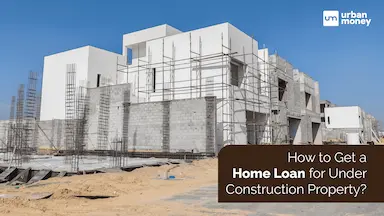
Home Loan Disbursement Process For Under Construction Property
Investing in under-construction properties offers affordability and long-term benefits. It is a popular choice among homebuyers. These properties provide flexible payment plans and potential appreciation in value over ti
Understanding Principal and Interest – An Introduction
Money makes the world go round, but borrowing it can sometimes feel like a puzzle. When you take a loan, you hear words like “principal” and “interest” tossed around, but what do they actually mean? Think of it this way:
