SBI Reverse Mortgage Loan for Senior Citizens 2026
An SBI reverse mortgage loan allows eligible senior citizens to receive regular payments by mortgaging their self-occupied residential property without having to sell it immediately. Designed as a reverse mortgage loan for senior citizens in India, it helps supplement retirement income. Borrowers can avail this and continue living in their home as well. This guide explains the eligibility, interest rates, payout options, required documents, charges, and repayment process for the SBI reverse mortgage loan.
- Personalized Home Loan solutions
- Expert guidance
- Application assistance
- Credit score discussion
- Home Loan Interest rate comparison
Table of Content
SBI Reverse Mortgage Loan 2026: How Senior Citizens Can Earn from Their Home
With the SBI reverse mortgage loan, senior citizens can receive regular payments against their self-occupied home while continuing to live in it. Under the scheme, the residential property is mortgaged to SBI, and the bank makes periodic payments to the borrower instead of the borrower paying EMIs. The loan is intended for retirees who own a house but have limited or no regular income to meet their day-to-day financial needs.
Borrowers can continue living in their home for the rest of their lives while using the funds to cover retirement expenses, medical bills, household costs, or other personal financial needs. The loan generally does not require repayment during the borrower’s lifetime. After the borrower’s death, legal heirs may repay the outstanding amount and retain the property, or allow the bank to recover its dues by selling the property.
How Does Reverse Mortgage Work?
A reverse mortgage allows eligible senior citizens to receive payments based on their home’s value instead of paying EMIs. Here’s how it works:
- Property Valuation: SBI assesses the market value and condition of your home.
- Loan Sanction: The loan amount is determined by your age, property value, tenure, and the bank’s assessment.
- Monthly Payouts: You receive regular payments or another approved payout option.
- Interest Accrues: Interest is added to the outstanding loan balance over time.
- No EMIs: You continue living in the property without making repayments during your lifetime.
- Loan Settlement: After the last borrower passes away or permanently relocates, legal heirs can repay the loan and retain the property or allow SBI to sell it.
Example
A ₹1 crore property may qualify for an approximate monthly payout of ₹25,000–₹35,000. An SBI reverse mortgage monthly payout calculator can provide an indicative estimate, though actual payouts vary. Use the Home Loan EMI Calculator to understand how a regular home loan’s monthly repayments compare against a reverse mortgage’s periodic payouts.
Monthly Payout Calculation Example: ₹50 Lakh Property
Scaling the same proportion down from the ₹1 crore example above gives a rough sense of what a ₹50 lakh property might generate:
| Property Value | Approximate Monthly Payout |
|---|---|
| ₹50 lakh | ~₹12,500 – ₹17,500 |
| ₹1 crore | ~₹25,000 – ₹35,000 |
This is a proportional estimate only, not a guaranteed figure. Actual payout depends on the borrower’s age (older borrowers generally qualify for higher payouts on the same property value), the property’s location and remaining useful life, the loan tenure selected, and SBI’s prevailing interest rate at sanction. Use SBI’s official reverse mortgage payout calculator or visit a branch for an accurate quote.
SBI Reverse Mortgage Loan Interest Rate 2026
SBI’s prevailing lending policy determines the applicable rate and may change from time to time. Based on recent market estimates, the SBI reverse mortgage loan interest rate 2026 is generally in the range of 9.55% to 10.55% p.a., though the final rate may vary depending on the bank’s assessment.
Unlike a regular home loan, borrowers do not pay monthly EMIs. Instead, interest accrues on the outstanding loan balance throughout the loan term and is recovered when the loan becomes due. For regular housing loan rates, refer to the SBI home loan interest rate page and compare rates across all lenders on the home loan interest rate page.
Eligibility Criteria: Age, Property & Nationality
To qualify for an SBI reverse mortgage loan, applicants must meet the bank’s eligibility requirements. Use the Home Loan Eligibility Calculator to assess your general borrowing profile before visiting the branch.
- Age: The SBI reverse mortgage loan eligibility age is 60 years or above. A spouse may be included as a joint borrower.
- Nationality: The applicant must be an Indian resident.
- Property: The loan is available against a self-acquired, self-occupied residential property located in India.
- Ownership: The applicant should have a clear, marketable title to the property, free of legal disputes.
- Property Condition: The house should be in good condition and acceptable as security to the bank.
- Residual Life: The property should generally have a remaining useful life of at least 20 years, as assessed by SBI.
Loan Amount & Payout Options
Under the SBI reverse mortgage loan, the sanctioned loan amount depends on factors such as the property’s market value, the borrower’s age, the property’s remaining life, and SBI’s lending norms. In general, older borrowers and higher-valued properties may qualify for larger payouts.
Maximum loan amount: up to ₹2 crore for properties in Municipal Corporation areas of NCR, Mumbai, Pune, Chennai, Ahmedabad, Bengaluru, and Hyderabad; up to ₹1.5 crore at other centres. Minimum loan amount is generally ₹3 lakh. (
Loan tenure: typically 10 to 15 years, though SBI’s own scheme documentation allows up to 20 years depending on the borrower’s age at sanction.
Borrowers can choose to receive the loan amount through:
- Monthly Payouts to supplement retirement income
- Periodic Payouts at agreed intervals
- Lump Sum Payments for eligible purposes, such as medical expenses, subject to RBI guidelines and SBI’s terms
- Line of Credit, allowing funds to be withdrawn as needed
Documents Required
Applicants typically need to submit the following documents when applying for an SBI reverse mortgage loan:
- Identity, address, and age proof (including PAN and Aadhaar, where applicable)
- Recent passport-size photographs
- Property ownership/title documents
- Latest property tax paid receipts
- Encumbrance certificate or other property-related documents, if applicable
- Income or pension proof, if requested by SBI
- Any additional documents required for legal or technical verification of the property
Processing Fee & Other Charges
When applying for an SBI reverse mortgage loan, borrowers should consider the following charges:
- Processing Fee: 0.50% of the sanctioned loan amount, subject to a minimum of ₹2,000 and a maximum of ₹10,000, plus applicable GST.
- Property Valuation Charges: Recovered at actual cost for the technical valuation carried out by an SBI-approved valuer.
- Legal Verification Charges: Recovered at actual cost for examining the property’s title, ownership records, and encumbrances.
- Documentation and Statutory Charges: Stamp duty, registration charges (where applicable), and CERSAI registration charges are payable in accordance with applicable laws.
- GST: Applicable on the processing fee and other taxable charges as per prevailing government rates.
What Happens to the Property After the Borrower’s Death?
A common misconception is that a reverse mortgage transfers ownership of the property to the bank. In reality, the borrower continues to own and live in the home for the duration of the loan. After the death of the last surviving borrower or if the property is permanently vacated, the reverse mortgage loan becomes due. SBI first offers the legal heirs the option to repay the outstanding loan and retain ownership. If the heirs choose not to repay, the bank may sell the property to recover its dues. Any surplus after the outstanding loan and related expenses are recovered is returned to the legal heirs.
Pros & Cons of SBI Reverse Mortgage Loan
An SBI reverse mortgage loan can be a useful retirement planning tool for senior citizens who own a home but need additional income.
| Pros | Cons |
| No Monthly EMIs: Borrowers are not required to repay the loan over the life of the loan. | Interest Accumulates: The outstanding loan balance increases over time as interest accrues. |
| Regular Retirement Income: Provides a steady source of funds to meet living or medical expenses. | Lower Inheritance Value: The accumulated loan amount may reduce the value of the property passed on to legal heirs. |
| Continue Living in Your Home: Borrowers retain ownership and occupancy of the property throughout their lifetime. | Loan Amount Depends on Property Valuation: Higher payouts are generally available only for properties with higher market value. |
| No Immediate Sale Required: Unlocks home equity without having to sell the property. | Not Suitable for Everyone: It may not be ideal for those who wish to leave the property free of debt to their heirs. |
| Improves Cash Flow: Helps supplement retirement income and maintain financial independence. | Limited Awareness: Many eligible senior citizens remain unfamiliar with reverse mortgages and their benefits. |
SBI Reverse Mortgage vs Regular Home Loan: Key Differences
While both products are secured against residential property, they serve very different purposes. An SBI reverse mortgage loan is designed to help senior citizens generate income from their home. In contrast, a regular SBI home loan helps borrowers finance the purchase or construction of a property.
| Parameter | SBI Reverse Mortgage Loan | Regular Home Loan |
| Borrower | Senior citizens owning a self-occupied home | Individuals purchasing, constructing, or renovating a home |
| Cash Flow Direction | Bank pays the borrower through periodic payouts | Borrower receives a lump sum loan and repays the bank |
| EMI | No EMIs during the borrower’s lifetime | Monthly EMIs are mandatory |
| Purpose | Supplement retirement income by unlocking home equity | Finance the purchase, construction, or improvement of a home |
| Ownership | Borrower retains ownership and continues living in the property | Borrower owns the property while repaying the loan |
| Repayment | Due after the last surviving borrower passes away or permanently vacates the property | Repaid through EMIs over the loan tenure |
| Loan Closure | Legal heirs may repay the dues and retain the property, or the bank may sell it to recover the loan | Loan closes once all EMIs and outstanding dues are paid |
| Suitable Users | Senior citizens seeking additional retirement income | Salaried, self-employed, and other eligible homebuyers |
Apply for a Home Loan with Urban Money
You can easily apply for a home loan using Urban Money and get guided support throughout the process. Once your loan is sanctioned, use the Home Loan Prepayment Calculator to estimate interest savings from early repayments, the Home Loan Tax Benefit Calculator to estimate your annual deductions under Section 80C and Section 24(b), and the Home Loan Balance Transfer Calculator to evaluate whether switching to a lower-rate lender makes financial sense.
- Open the Urban Money home page and, from the menu bar at the top, hover over the ‘Products & Offers’ option.
- From the drop-down menu that appears, select the ‘Home Loan’ option.
- The page that appears will display home loan schemes from various lenders and their interest rates.
- Click on the ‘Enquire Now’ button next to the chosen scheme.
- Fill in your details in the form that appears and click on ‘Submit.’
- You will soon be contacted by an Urban Money representative who will guide you through the application process.

 Written By

 Reviewed By
Last Updated: 3rd September 2026
Frequently Asked Questions (FAQs)
What is reverse mortgage in SBI?
A reverse mortgage loan SBI is a credit option for senior citizens who own a self-acquired or self-occupied home in India. Namely, it allows them to receive a steady stream of income from the bank by mortgaging their property.
What is the maximum period for an SBI reverse mortgage loan?
The maximum tenure for an SBI reverse mortgage loan can extend up to 15 years.
What is the minimum age for an SBI reverse mortgage loan?
The primary applicant must be at least 60 years old and an Indian resident. The loan is available against a self-acquired, self-occupied residential property that meets SBI’s eligibility criteria.
How much monthly payout can I get from SBI reverse mortgage?
There is no fixed payout amount. It depends on factors such as your age, property value, residual property life, and SBI’s lending norms.
Can both husband and wife jointly apply for SBI reverse mortgage?
Yes. Spouses can apply jointly for an SBI reverse mortgage loan, provided they meet the bank’s eligibility criteria.
What happens to my home after I pass away under reverse mortgage?
After the last surviving borrower passes away, the loan becomes due. Legal heirs can repay the outstanding amount and retain the property or allow SBI to sell it to recover the dues. Any surplus is returned to the heirs.
Is SBI reverse mortgage loan income taxable?
No. The payouts received under an SBI reverse mortgage are treated as loan proceeds, not income, and are therefore not taxable under the Income-tax Act.
What happens to the property after the borrower's death?
The reverse mortgage becomes due after the death of the last surviving borrower or if the property is permanently vacated. Legal heirs get the first option to repay the outstanding loan and retain the property; if they don’t, SBI can sell it to recover dues, returning any surplus to the heirs.
Can heirs reclaim the property?
Yes. Heirs can repay the outstanding loan amount (through their own funds or by selling the property themselves) to retain ownership. Most reverse mortgages also carry a “no negative equity” protection, so heirs are never liable for more than the property’s sale value.
What is the maximum tenure for an SBI reverse mortgage?
Typically 10 to 15 years, though SBI’s scheme terms allow up to 20 years depending on the borrower’s age at the time of sanction. Confirm the exact figure applicable to your case with SBI, as tenure is age-linked.
What property types are eligible?
Only self-acquired, self-occupied residential property located in India with clear, marketable title. Commercial property is not eligible, and the property must have a remaining useful life of at least 20 years as assessed by SBI.
How are reverse mortgage payouts taxed?
Payouts are not treated as income and are exempt from tax under Section 10(43) of the Income Tax Act, 1961, since they’re structured as loan disbursements rather than earnings. However, if the bank eventually sells the property to recover dues, capital gains tax considerations may apply at that stage.
Quick Links
Home Loan by Nationalized Bank
Home Loan by Private Bank
- Reliance Capital Home Loan
- RBL Bank Home Loan
- ICICI Bank Home Loan
- DCB Bank Home Loan
- YES Bank Home Loan
- karur Vysya Bank Home Loan
- HDFC Bank Home Loan
- Axis Bank Home Loan
- CITI Bank Home Loan
- Housing Development Finance Corporation Home Loan
- HDFC Sales Home Loan
- IDFC FIRST Bank Home Loan
- Kotak Bank Home Loan
- karnataka bank Home Loan
- IndusInd Bank Home Loan
- HSBC Home Loan
- Federal Bank Home Loan
- IDBI Bank Home Loan
- LIC Housing Finance Home Loan

Home Loan by NBFC
- Clix Capital Home Loan
- Vastu Housing Finance Home Loan
- Hero FinCorp Home Loan
- Muthoot Finance Ltd Home Loan
- Edelweiss Financial Services Home Loan
- Cholamandalam Finance Home Loan
- Piramal Finance Home Loan
- Aadhar housing Finance Home Loan
- Ujjivan Small Finance Bank Home Loan
- Capri Global Home Loan
- Hero Housing Finance Home Loan
- Poonawalla Fincorp Limited Home Loan
- SMFG India Credit Company Ltd Home Loan
- Aavas Financiers Home Loan
- Capital First Ltd. Home Loan
- IndiaBulls Home Loan
- IIFL Finance Home Loan
- DHFL Home Loan
- Tata Capital Housing Finance Limited Home Loan
- L&T Finance Home Loan
- Punjab National Bank Housing Finance Home Loan
- Aditya Birla Housing Finance Limited Home Loan
- Aditya Birla Finance Limited Home Loan
- Godrej Housing Finance Home Loan
- Home First Finance Company Home Loan
- Bajaj Finserv Home Loan
- ART Affordable Housing Finance Limited Home Loan
Home Loan Calculators
Bank wise Home Loan Calculators
- Axis Bank Home Loan Calculator
- Canara Bank Home Loan Calculator
- Idfc First Bank Home Loan Calculator
- Hsbc Home Loan Calculator
- Indusind Bank Home Loan Calculator
- Hdfc Bank Home Loan Calculator
- Kotak Bank Home Loan Calculator
- State Bank Of India Home Loan Calculator
- Aditya Birla Finance Limited Home Loan Calculator
- Idbi Bank Home Loan Calculator
- Iifl Finance Home Loan Calculator
- Karur Vysya Bank Home Loan Calculator
- Piramal Finance Home Loan Calculator
- Tata Capital Housing Finance Limited Home Loan Calculator
- Union Bank Of India Home Loan Calculator
- Punjab National Bank Home Loan Calculator
- Bank Of India Home Loan Calculator
- Bank Of Baroda Home Loan Calculator
- Lic Housing Finance Home Loan Calculator
- Punjab Sind Bank Home Loan Calculator
- Indian Bank Home Loan Calculator
- Bank Of Maharashtra Home Loan Calculator
- Citi Bank Home Loan Calculator
- Rbl Bank Home Loan Calculator
- Karnataka Bank Home Loan Calculator
- Federal Bank Home Loan Calculator
- Yes Bank Home Loan Calculator
- Icici Bank Home Loan Calculator
Bank Wise Home Loan Interest Rate
- Canara Bank Home Loan Interest Rate
- Union Bank of India Home Loan Interest Rate
- Punjab National Bank Home Loan Interest Rate
- Punjab & Sind Bank Home Loan Interest Rate
- Bank of India Home Loan Interest Rate
- State Bank of India Home Loan Interest Rate
- Bank of Maharashtra Home Loan Interest Rate
- Bank of Baroda Home Loan Interest Rate
- Indian bank Home Loan Interest Rate
- Reliance Capital Home Loan Interest Rate
- RBL Bank Home Loan Interest Rate
- ICICI Bank Home Loan Interest Rate
- DCB Bank Home Loan Interest Rate
- YES Bank Home Loan Interest Rate
- karur Vysya Bank Home Loan Interest Rate
- HDFC Bank Home Loan Interest Rate
- Axis Bank Home Loan Interest Rate
- CITI Bank Home Loan Interest Rate
- Housing Development Finance Corporation Home Loan Interest Rate
- HDFC Sales Home Loan Interest Rate
- IDFC FIRST Bank Home Loan Interest Rate
- Kotak Bank Home Loan Interest Rate
- karnataka bank Home Loan Interest Rate
- IndusInd Bank Home Loan Interest Rate
- HSBC Home Loan Interest Rate
- Federal Bank Home Loan Interest Rate
- IDBI Bank Home Loan Interest Rate
- LIC Housing Finance Home Loan Interest Rate
- Clix Capital Home Loan Interest Rate
- Vastu Housing Finance Home Loan Interest Rate
- Hero FinCorp Home Loan Interest Rate
- Muthoot Finance Ltd Home Loan Interest Rate
- Edelweiss Financial Services Home Loan Interest Rate
- Cholamandalam Finance Home Loan Interest Rate
- Piramal Finance Home Loan Interest Rate
- Aadhar housing Finance Home Loan Interest Rate
- Ujjivan Small Finance Bank Home Loan Interest Rate
- Capri Global Home Loan Interest Rate
- Hero Housing Finance Home Loan Interest Rate
- Poonawalla Fincorp Limited Home Loan Interest Rate
- SMFG India Credit Company Ltd Home Loan Interest Rate
- Aavas Financiers Home Loan Interest Rate
- Capital First Ltd. Home Loan Interest Rate
- IndiaBulls Home Loan Interest Rate
- IIFL Finance Home Loan Interest Rate
- DHFL Home Loan Interest Rate
- Tata Capital Housing Finance Limited Home Loan Interest Rate
- L&T Finance Home Loan Interest Rate
- Punjab National Bank Housing Finance Home Loan Interest Rate
- Aditya Birla Housing Finance Limited Home Loan Interest Rate
- Aditya Birla Finance Limited Home Loan Interest Rate
- Godrej Housing Finance Home Loan Interest Rate
- Home First Finance Company Home Loan Interest Rate
- Bajaj Finserv Home Loan Interest Rate
- ART Affordable Housing Finance Limited Home Loan Interest Rate
Latest from the Home Loan Blog
Get in-depth knowledge about all things related to Home Loan and your finances
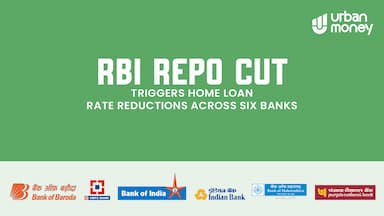
RBI Repo Cut 2025: Home Loan Rates Drop Across 6 Banks
Following the RBI’s 5 December repo rate cut to 5.25%, six major banks have begun trimming home loan benchmarks, so borrowers may soon see lower interest rates on floating-rate loans and lighter EMIs on existing home loa
Top 5 Legal Documents You Need for a Hassle-Free Home Loan Process
Getting a home loan can be smooth if you have all the right documents. Lenders need certain legal documents for a home loan to verify your identity, income, and property details. Having these ready in advance can speed u

Home Loan Exemptions : Tax Rebates, High Savings
A home loan can not only get you your dream home —it can also help you save on taxes! Home loan exemptions offered by the Income Tax Act (1961) allow borrowers to claim rebates that lower their taxable income. These exem
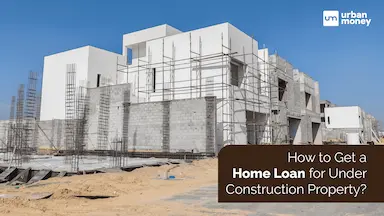
Home Loan Disbursement Process For Under Construction Property
Investing in under-construction properties offers affordability and long-term benefits. It is a popular choice among homebuyers. These properties provide flexible payment plans and potential appreciation in value over ti
Understanding Principal and Interest – An Introduction
Money makes the world go round, but borrowing it can sometimes feel like a puzzle. When you take a loan, you hear words like “principal” and “interest” tossed around, but what do they actually mean? Think of it this way:
