Top 10 Best Private Banks in India List 2025
January 09, 2025

February 01, 2026
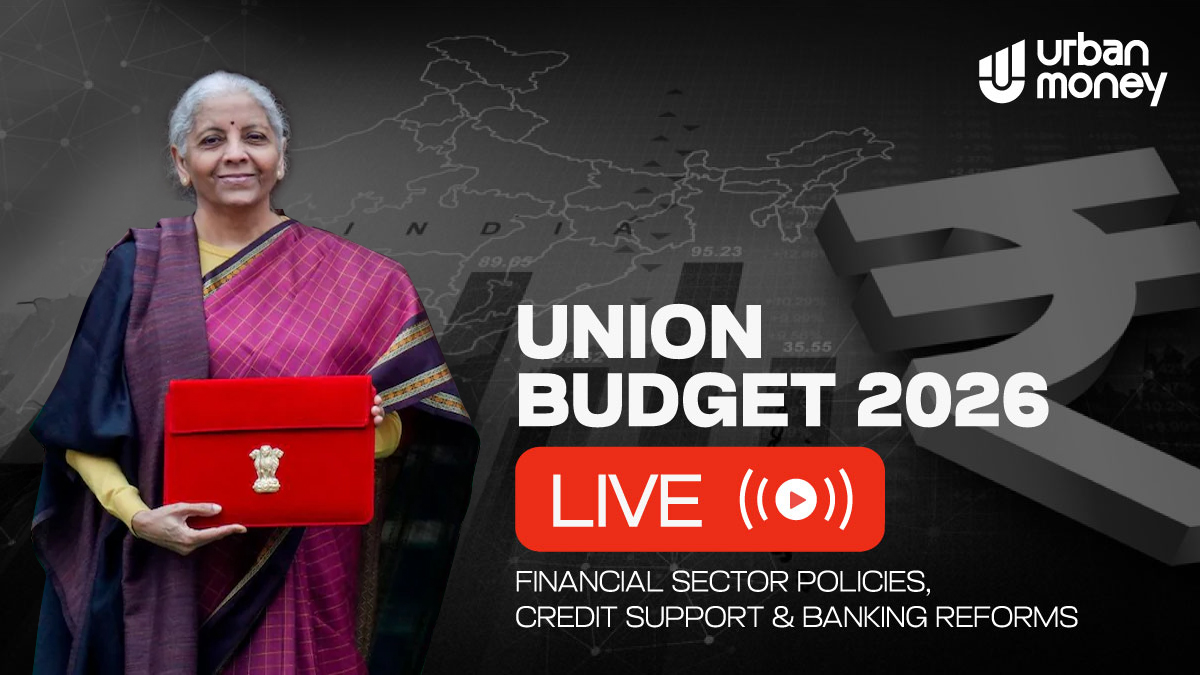

Union Budget 2026-2027 was presented on February 1, 2026, in the Lok Sabha. This year, Finance Minister Nirmala Sitharaman has outlined the government’s financial roadmap for the year ahead under the Viksit Bharat vision, with a strong focus on stability, growth, and long-term economic resilience.
This year’s Budget placed a clear emphasis on financial markets, credit availability, lending conditions, and infrastructure-led financing. The new policy signals are emerging around how the government plans to manage borrowing costs while sustaining public investment and private sector credit growth. Measures announced for MSMEs, infrastructure financing, and banking reforms indicate a shift towards strengthening the financial ecosystem rather than short-term relief, setting the tone for credit expansion in the coming year.
Below is a snapshot of key financial sector measures announced in the Union Budget 2026-27, compared with the previous year:-
Budget 2025-26 : Personal income tax slab restructuring. Higher TDS threshold on rent. Updated returns allowed up to 4 years.
Budget 2026-27 : Time to revise returns extended till 31 March. One-time Foreign Asset Disclosure Scheme introduced. MAT made the final tax. MAT credit set-off capped at one-fourth. Decriminalisation of book-keeping and select TDS defaults.
Budget 2025-26 : TDS and TCS rationalisation started.
Budget 2026-27 : TCS on overseas tour packages cut to 2% with no threshold. TCS on education and medical remittances cut to 2%. TDS on manpower supply fixed at 1% or 2%.
Budget 2025-26 : MSME definition revised. Credit guarantee doubled to ₹10 crore. Credit cards for micro enterprises announced.
Budget 2026-27 : ₹10,000 crore SME Growth Fund introduced. Self-Reliant India Fund topped up by ₹2,000 crore. TReDS made mandatory for CPSEs. MSME receivables allowed securitisation. Corporate Mitras for compliance support announced.
Budget 2025-26 : Term loans up to ₹2 crore for first-time entrepreneurs. Higher guarantee cover for MSMEs and startups.
Budget 2026-27 : The Infrastructure Risk Guarantee Fund was announced for partial credit guarantees. Stronger MSME credit flow through TReDS, CGTMSE and securitisation.
Budget 2025-26 : Revamped Central KYC Registry announced. Partial Credit Enhancement Facility via NaBFID.
Budget 2026-27 : High-Level Committee on Banking for Viksit Bharat announced. PFC and REC restructuring proposed.
Budget 2025-26 : Infrastructure and bond market support through NaBFID.
Budget 2026-27 : Market-making framework and total return swaps introduced for corporate bonds, improving NBFC participation.
Budget 2025-26 : Customised credit cards for micro enterprises with ₹5 lakh limit announced.
Budget 2026-27 : No new credit card scheme announced. Focus shifts to MSME credit via formal platforms like TReDS.
Budget 2025-26 : FDI limit in insurance raised to 100%. Regulatory reforms announced.
Budget 2026-27 : STT on futures raised to 0.05%. STT on options premium and exercise raised to 0.15%.
Budget 2025-26 : Partial Credit Enhancement Facility announced.
Budget 2026-27 : ₹100 crore incentive for municipal bond issuances above ₹1,000 crore. Market-making and TRS framework introduced.
Budget 2025-26 : ₹1.5 lakh crore interest-free loans to states. Asset Monetisation Plan launched.
Budget 2026-27 : ₹2 lakh crore support to states under SASCI scheme. CPSE real estate recycling through REITs. Infrastructure coverage extended to Tier II and III cities.
Budget 2025-26 : Fiscal deficit estimated at 4.5% of GDP.
Budget 2026-27 : Fiscal deficit reduced to 4.3% of GDP. Debt-to-GDP projected at 55.6%, signalling borrowing discipline.
Union Budget 2026-27 focuses on simplifying tax laws and easing compliance pressure for individuals and businesses. Here are the key takeaways:
Union Budget 2026-27 focuses on financial markets, credit availability, lending rates, and banking stability. The government aims to manage borrowing costs while supporting long-term growth through fiscal discipline, credit guarantees, and deeper capital markets.
Yes. TCS on overseas tour packages is reduced to 2% with no minimum limit. TCS on education and medical remittances under LRS is also reduced to 2%. TDS on the supply of manpower services is fixed at 1% or 2%.
The time limit to revise income tax returns has been extended till 31 March with a nominal fee. A one-time Foreign Asset Disclosure Scheme has been introduced for small taxpayers. Several procedural offences, including non-production of books in specific cases, have been decriminalised.
Small taxpayers benefit from lower TCS rates, easier access to nil or lower deduction certificates, and reduced compliance around Form 15G and 15H. Interest awarded by the Motor Accident Claims Tribunal is now fully exempt from income tax.
The government announced a ₹10,000 crore SME Growth Fund to support scaling MSMEs. The Self-Reliant India Fund has been topped up by ₹2,000 crore. TReDS has been made mandatory for CPSE purchases, improving liquidity for MSMEs.
MSME invoice discounting on TReDS will receive credit guarantee support through CGTMSE. MSME receivables can now be securitised, allowing faster cash flow and lower dependence on traditional bank loans.
Yes. An Infrastructure Risk Guarantee Fund has been announced to provide partial credit guarantees to lenders. This reduces lending risk for banks and NBFCs and supports long-term infrastructure and project financing.
No direct changes to EMIs have been announced. However, the reduction in fiscal deficit to 4.3% of GDP and tighter borrowing discipline are expected to support interest rate stability over time.
A High-Level Committee on Banking for Viksit Bharat has been announced to prepare the banking system for India’s next growth phase. Power Finance Corporation and Rural Electrification Corporation will be restructured to improve efficiency and lending capacity.
The budget increases STT on futures and options, but also introduces a market-making framework and total return swaps for corporate bonds. Municipal bond issuances above ₹1,000 crore will receive a ₹100 crore incentive, strengthening debt markets.
Yes. Stronger MSME credit mechanisms, banking reforms, infrastructure guarantees, and controlled fiscal deficit together create a more stable and predictable lending environment for borrowers, banks, and NBFCs.



September 09, 2026
September 09, 2026
August 05, 2026
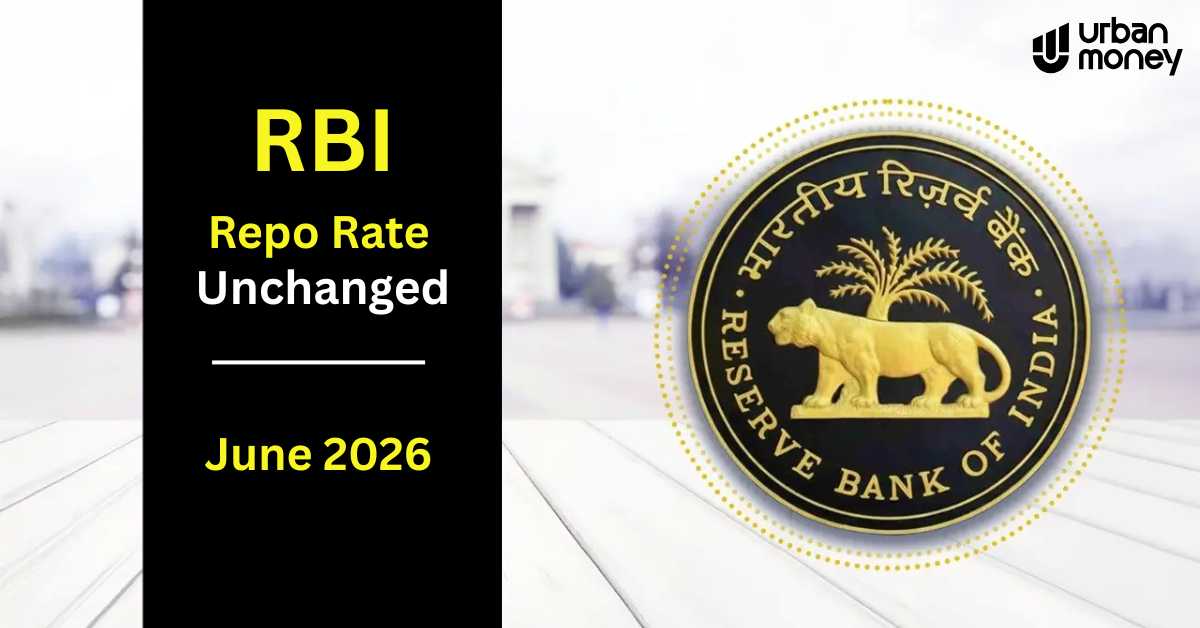
June 05, 2026
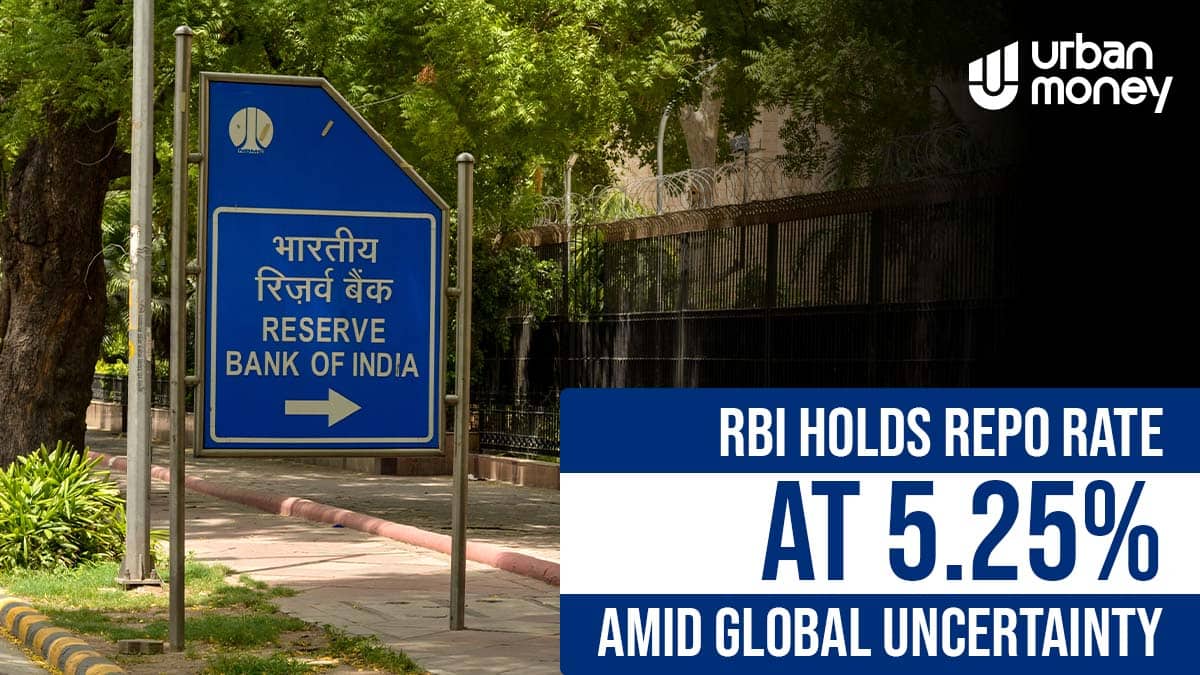
April 08, 2026
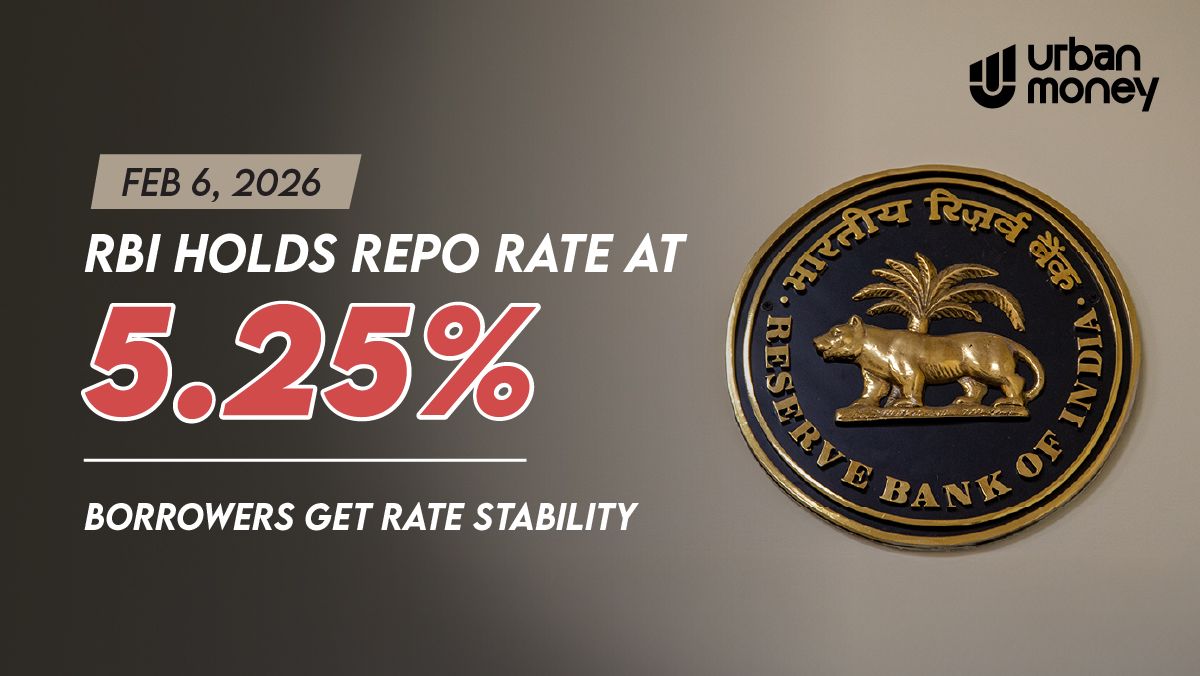
February 06, 2026





Top 10 Best Private Banks in India List 2025
January 09, 2025
Top10 List of Petrol Pump Companies in India
January 09, 2025

Dairy Farm Loan in 2025 : Online Procedure
January 09, 2025

Top 10 Best Bank for Home Loan In India…
January 09, 2025

Top10 Best Student Credit Cards in India 2025
January 09, 2025

Products & Offers

Tools & Calculators
CIBIL Score
Credit Cards
© 2026 www.urbanmoney.com. All rights reserved.


Need Loan Assistance?