Indira Awas Yojana (IAY) – Now PMAY-G
Indira Awas Yojana (IAY) was the government’s rural housing scheme for helping houseless rural families and households living in inadequate homes. The scheme was restructured and renamed Pradhan Mantri Awaas Yojana-Gramin (PMAY-G) from April 1, 2016. So, people searching for Indira Awas Yojana online to apply or an Indira Awas Yojana application form today need to look at the current PMAY-G process instead.
- Personalized Home Loan solutions
- Expert guidance
- Application assistance
- Credit score discussion
- Home Loan Interest rate comparison
Table of Content
What was Indira Awas Yojana (IAY)?
Indira Awas Yojana was the rural housing programme that provided financial assistance to eligible households for constructing houses. It was later restructured into PMAY-G, which brought changes to beneficiary identification, house size, assistance and monitoring.
Under the earlier IAY, the unit assistance was ₹70,000 in plain areas and ₹75,000 in hilly and difficult areas. PMAY-G increased this to ₹1.20 lakh and ₹1.30 lakh respectively and raised the minimum house size from 20 sq. m. to 25 sq. m.
Eligible households who supplement their PMAY-G assistance with a home loan can use the Home Loan Eligibility Calculator to estimate how much additional financing they may qualify for based on their income and repayment capacity.
IAY was Renamed and Restructured into PMAY-Gramin (PMAY-G)
Indira Awas Yojana is no longer the current rural housing scheme. The Government of India restructured IAY into Pradhan Mantri Awaas Yojana-Gramin (PMAY-G) with effect from April 1, 2016. PMAY-G is now the applicable central rural housing programme.
That distinction matters for anyone searching for an Indira Awas Yojana online application option. There is no separate current IAY application process. New eligible households are considered under PMAY-G through the prescribed beneficiary identification and Awaas+ survey process.
The government has extended PMAY-G for another five years, until 2029, with approval for 2 crore additional rural houses.
| Scheme | Years | Assistance | Selection basis | Status |
|---|---|---|---|---|
| Indira Awas Yojana (IAY) | Until March 31, 2016 | ₹70,000 (plain areas); ₹75,000 (hilly and difficult areas) | Earlier beneficiary identification process, replaced under PMAY-G | Discontinued; restructured into PMAY-G |
| PMAY-G | April 1, 2016 to March 2029 (current phase) | ₹1.20 lakh (plain areas); ₹1.30 lakh (North-Eastern and hill states) | SECC 2011 and Awaas+ data, verified through the Gram Sabha | Active; extended to 2029 with 2 crore additional houses approved |
What is PMAY-G?
PMAY-G aims to provide pucca houses with basic amenities to eligible rural households that are houseless or living in kutcha or dilapidated houses. The current phase runs through March 2029. The Union Cabinet has approved an additional 2 crore houses, taking the broader PMAY-G target to 4.95 crore rural houses by 2029 when the previous and additional targets are considered together.
| Feature | PMAY-G Details |
| Current scheme | Pradhan Mantri Awaas Yojana-Gramin |
| Effective from | April 1, 2016 |
| Current extension | FY 2024-25 to FY 2028-29 |
| Additional houses approved | 2 crore |
| Minimum house size | 25 sq. m., including a dedicated hygienic cooking area |
| Assistance in plain areas | ₹1.20 lakh |
| Assistance in North-Eastern and hill states | ₹1.30 lakh |
| Toilet assistance | ₹12,000 through convergence |
| MGNREGS support | 90/95 days of unskilled labour wages |
PMAY-G Eligibility Criteria
Beneficiary identification is based on housing deprivation parameters and prescribed exclusion criteria, using SECC 2011 data and Awaas+ data. The list is verified through the Gram Sabha and the prescribed process.
For the current Awaas+ process, the official PMAY-G eligibility questionnaire checks conditions such as:
- The household must reside in a rural area.
- The household should be houseless or live in a kutcha house.
- The household should not own a pucca house.
- The house should not have more than two rooms.
- The household should not own a motorised three- or four-wheeler.
- The household should not own mechanised agricultural equipment of the specified type.
- The household should not have a Kisan Credit Card with a credit limit of ₹50,000 or more.
- No household member should be a government employee.
- The household should not have a registered non-agricultural enterprise.
- No household member should earn more than ₹15,000 per month.
- The household should not be paying income tax or professional tax.
- Land ownership is also considered under the prescribed exclusion criteria.
The current PMAY-G process has also modified the exclusion criteria for the Awaas+ 2024 survey. The government has specifically noted that the income threshold was raised to ₹15,000 per month and some earlier exclusion conditions were removed.
How to Apply for PMAY-G Online
The process is different from a conventional online housing-scheme application. For the current identification of additional households, the government is using the Awaas+ 2024 mobile application, which supports self-survey and assisted-survey processes. The official PMAY-G portal provides the application and instructions for the survey.
The basic process is:
- Check the PMAY-G eligibility conditions on the official PMAY-G portal.
- Complete the Awaas+ survey through the prescribed self-survey or assisted-survey process, where available.
- Complete Aadhaar-based e-KYC/face authentication as required.
- Provide the household and housing information requested during the survey.
- The information goes through the prescribed verification process.
- Eligible households are included in the relevant PMAY-G list after verification and approval.
Compare the latest home loan rates from participating lenders on the home loan interest rate page if you are planning to supplement your PMAY-G assistance with a home loan to cover additional construction costs.
PMAY-G Application Form
There is no standalone Indira Awas Yojana application form that a person can submit today to obtain a new IAY benefit. For the current PMAY-G identification process, the relevant route is the Awaas+ survey and the prescribed PMAY-G beneficiary-selection process. The official PMAY-G material also states that beneficiaries are selected through the Permanent Wait List and Awaas+ process rather than through a conventional application form.
For households being identified through the Awaas+ 2024 exercise, the official PMAY-G portal provides the mobile application, survey instructions and related resources.
Documents Required for the PMAY-G Application
The government describes beneficiary identification through SECC/Awaas+ data, verification, Aadhaar-based processes and Gram Sabha procedures. For the current Awaas+ process, households may need to provide or verify information such as:
- Aadhaar details for e-KYC and authentication.
- Household member details.
- Existing house and housing-condition information.
- Bank account details for benefit transfer, where required.
- Land/property information where applicable.
- Other information requested during the Awaas+ survey or subsequent verification.
The exact information required can depend on the survey and verification stage. If you are taking a home loan alongside PMAY-G assistance to fund construction, use the Home Loan EMI Calculator to plan your monthly repayments before applying.
How to Check PMAY-G Application/Beneficiary Status
PMAY-G status is checked on the official PMAY-G portal (pmayg.nic.in), also reachable as AwaasSoft (awaassoft.nic.in). Your registration number, which is printed on your sanction order, is the quickest way in.
Method 1: With your registration number
1. Go to the official PMAY-G portal at pmayg.nic.in.
2. Open the “Stakeholders” tab and select “IAY/PMAYG Beneficiary” from the dropdown.
3. Enter your Registration Number in the field. If a captcha code is shown, enter that too.
4. Click “Submit” to see your details, including application stage, sanctioned amount and instalment release status.
Method 2: Without a Registration Number
1. Follow steps 1 and 2 above to reach the “IAY/PMAYG Beneficiary” page.
2. Click “Advanced Search” and enter your State, District, Block, Gram Panchayat and your name.
3. Select your record from the results to see your status.
Method 3: Check your Gram Panchayat’s beneficiary list
1. On the PMAY-G portal, click “Awaassoft” in the main menu and select “Report”. This takes you to rhreporting.nic.in, the PMAY-G MIS reporting system.
2. Under “Social Audit Reports”, click “Beneficiary Details for Verification”.
3. Choose your State, District, Block and Gram Panchayat (and the financial year, if asked), enter the captcha and click “Submit”.
4. The list shows the village name, registration number, beneficiary name, parent’s name, sanction number, sanctioned amount, instalment status and current house status.
If your name or status does not show up, contact your Gram Panchayat office or Block Development Officer to confirm it.
Financial Assistance Amount Under PMAY-G
The current assistance remains:
| Component | Assistance |
| Plain areas | ₹1.20 lakh |
| North-Eastern and hill states, including J&K and Ladakh | ₹1.30 lakh |
| Toilet construction through convergence | ₹12,000 |
| MGNREGS labour support | 90/95 days of unskilled labour wages |
The house must have a minimum size of 25 sq. m., including a dedicated area for hygienic cooking. The main house assistance is released electronically to the beneficiary’s registered bank account in instalments linked to construction progress. Once your home is complete and a home loan is sanctioned, use the Home Loan Prepayment Calculator to estimate interest savings from early repayments and the Home Loan Tax Benefit Calculator to estimate your annual deductions under Section 80C and Section 24(b).
What Happened to Existing IAY Beneficiaries After the Transition to PMAY-G?
The earlier IAY beneficiaries and incomplete houses from the previous programme were dealt with as part of the transition and subsequent PMAY-G implementation. For the current phase, the government has also specifically approved completion of incomplete PMAY-G houses from the previous phase that remained incomplete as of March 31, 2024.
So, an old IAY beneficiary should not apply again because the scheme now carries the PMAY-G name. The relevant status should be checked through the existing PMAY-G records and the concerned local rural-development authorities. If you are planning to take a home loan to supplement your government housing assistance, use the Home Loan Balance Transfer Calculator to evaluate whether switching to a lower-rate lender makes financial sense once the initial construction phase is complete.

 Written By


 Reviewed By
Last Updated: 12th October 2026
Frequently Asked Questions (FAQs)
What is PMAY-Gramin and how is it related to Indira Awas Yojana?
PMAY-Gramin is the current rural housing scheme that replaced the earlier Indira Awas Yojana after it was restructured from April 1, 2016. PMAY-G provides financial assistance to eligible rural households for constructing pucca houses with basic amenities.
How do I apply for PMAY-Gramin online?
For current beneficiary identification, eligible rural households can be covered through the Awaas+ 2024 survey, using the prescribed self-survey or assisted-survey process on the PMAY-G mobile application, subject to availability and government instructions.
What are the eligibility criteria for PMAY-Gramin?
PMAY-G primarily covers houseless rural households and those living in kutcha or inadequate houses, subject to the scheme’s housing-deprivation and exclusion criteria. The current Awaas+ eligibility checks include factors such as pucca-house ownership, number of rooms, vehicle ownership, government employment, income, tax status, and land ownership.
How much financial assistance is provided under PMAY-Gramin?
The current unit assistance is ₹1.20 lakh in plain areas and ₹1.30 lakh in North-Eastern and hill states, including Jammu & Kashmir and Ladakh. Beneficiaries can also receive ₹12,000 for toilet construction through convergence and 90/95 days of unskilled labour wages through MGNREGS.
Where can I check my PMAY-Gramin application status?
PMAY-G provides official dashboards and beneficiary information through its portal and AwaasSoft system. The portal includes beneficiary, Permanent Wait List, construction, and financial-status information.
What happened to people who were already IAY beneficiaries?
IAY was restructured into PMAY-G in 2016. Existing incomplete rural housing cases were carried forward through the government housing programme, while the current PMAY-G phase also provides for completion of eligible incomplete houses from the earlier phase.
Can I build more than one house under PMAY-G?
No. A family is generally eligible for housing assistance only once under the scheme, and the whole family is treated as one unit. Applying again through another family member can lead to rejection during verification. The only exception is a house left incomplete from the earlier phase, which the government has approved for completion.
Is Aadhaar mandatory for PMAY-G?
Yes. Aadhaar-based e-KYC and face authentication are used to identify beneficiaries during the Awaas+ survey, and the assistance is paid into an Aadhaar-linked bank or post office account.
How do I check my name in the PMAY-G beneficiary list?
Visit the official PMAY-G portal (pmayg.nic.in), click “Awaassoft” and select “Report”. Under “Social Audit Reports”, open “Beneficiary Details for Verification”, choose your state, district, block and Gram Panchayat, enter the captcha and submit. You can also go to “Stakeholders”, select “IAY/PMAYG Beneficiary” and enter your registration number. If your name is not listed, check with your Gram Panchayat office or Block Development Officer.
Quick Links
Home Loan by Nationalized Bank
Home Loan by Private Bank
- Reliance Capital Home Loan
- RBL Bank Home Loan
- ICICI Bank Home Loan
- DCB Bank Home Loan
- YES Bank Home Loan
- karur Vysya Bank Home Loan
- HDFC Bank Home Loan
- Axis Bank Home Loan
- CITI Bank Home Loan
- Housing Development Finance Corporation Home Loan
- HDFC Sales Home Loan
- IDFC FIRST Bank Home Loan
- Kotak Bank Home Loan
- karnataka bank Home Loan
- IndusInd Bank Home Loan
- HSBC Home Loan
- Federal Bank Home Loan
- IDBI Bank Home Loan
- LIC Housing Finance Home Loan

Home Loan by NBFC
- Clix Capital Home Loan
- Vastu Housing Finance Home Loan
- Hero FinCorp Home Loan
- Muthoot Finance Ltd Home Loan
- Edelweiss Financial Services Home Loan
- Cholamandalam Finance Home Loan
- Piramal Finance Home Loan
- Aadhar housing Finance Home Loan
- Ujjivan Small Finance Bank Home Loan
- Capri Global Home Loan
- Hero Housing Finance Home Loan
- Poonawalla Fincorp Limited Home Loan
- SMFG India Credit Company Ltd Home Loan
- Aavas Financiers Home Loan
- Capital First Ltd. Home Loan
- IndiaBulls Home Loan
- IIFL Finance Home Loan
- DHFL Home Loan
- Tata Capital Housing Finance Limited Home Loan
- L&T Finance Home Loan
- Punjab National Bank Housing Finance Home Loan
- Aditya Birla Housing Finance Limited Home Loan
- Aditya Birla Finance Limited Home Loan
- Godrej Housing Finance Home Loan
- Home First Finance Company Home Loan
- Bajaj Finserv Home Loan
- ART Affordable Housing Finance Limited Home Loan
Home Loan Calculators
Bank wise Home Loan Calculators
- Axis Bank Home Loan Calculator
- Canara Bank Home Loan Calculator
- Idfc First Bank Home Loan Calculator
- Hsbc Home Loan Calculator
- Indusind Bank Home Loan Calculator
- Hdfc Bank Home Loan Calculator
- Kotak Bank Home Loan Calculator
- State Bank Of India Home Loan Calculator
- Aditya Birla Finance Limited Home Loan Calculator
- Idbi Bank Home Loan Calculator
- Iifl Finance Home Loan Calculator
- Karur Vysya Bank Home Loan Calculator
- Piramal Finance Home Loan Calculator
- Tata Capital Housing Finance Limited Home Loan Calculator
- Union Bank Of India Home Loan Calculator
- Punjab National Bank Home Loan Calculator
- Bank Of India Home Loan Calculator
- Bank Of Baroda Home Loan Calculator
- Lic Housing Finance Home Loan Calculator
- Punjab Sind Bank Home Loan Calculator
- Indian Bank Home Loan Calculator
- Bank Of Maharashtra Home Loan Calculator
- Citi Bank Home Loan Calculator
- Rbl Bank Home Loan Calculator
- Karnataka Bank Home Loan Calculator
- Federal Bank Home Loan Calculator
- Yes Bank Home Loan Calculator
- Icici Bank Home Loan Calculator
Bank Wise Home Loan Interest Rate
- Canara Bank Home Loan Interest Rate
- Union Bank of India Home Loan Interest Rate
- Punjab National Bank Home Loan Interest Rate
- Punjab & Sind Bank Home Loan Interest Rate
- Bank of India Home Loan Interest Rate
- State Bank of India Home Loan Interest Rate
- Bank of Maharashtra Home Loan Interest Rate
- Bank of Baroda Home Loan Interest Rate
- Indian bank Home Loan Interest Rate
- Reliance Capital Home Loan Interest Rate
- RBL Bank Home Loan Interest Rate
- ICICI Bank Home Loan Interest Rate
- DCB Bank Home Loan Interest Rate
- YES Bank Home Loan Interest Rate
- karur Vysya Bank Home Loan Interest Rate
- HDFC Bank Home Loan Interest Rate
- Axis Bank Home Loan Interest Rate
- CITI Bank Home Loan Interest Rate
- Housing Development Finance Corporation Home Loan Interest Rate
- HDFC Sales Home Loan Interest Rate
- IDFC FIRST Bank Home Loan Interest Rate
- Kotak Bank Home Loan Interest Rate
- karnataka bank Home Loan Interest Rate
- IndusInd Bank Home Loan Interest Rate
- HSBC Home Loan Interest Rate
- Federal Bank Home Loan Interest Rate
- IDBI Bank Home Loan Interest Rate
- LIC Housing Finance Home Loan Interest Rate
- Clix Capital Home Loan Interest Rate
- Vastu Housing Finance Home Loan Interest Rate
- Hero FinCorp Home Loan Interest Rate
- Muthoot Finance Ltd Home Loan Interest Rate
- Edelweiss Financial Services Home Loan Interest Rate
- Cholamandalam Finance Home Loan Interest Rate
- Piramal Finance Home Loan Interest Rate
- Aadhar housing Finance Home Loan Interest Rate
- Ujjivan Small Finance Bank Home Loan Interest Rate
- Capri Global Home Loan Interest Rate
- Hero Housing Finance Home Loan Interest Rate
- Poonawalla Fincorp Limited Home Loan Interest Rate
- SMFG India Credit Company Ltd Home Loan Interest Rate
- Aavas Financiers Home Loan Interest Rate
- Capital First Ltd. Home Loan Interest Rate
- IndiaBulls Home Loan Interest Rate
- IIFL Finance Home Loan Interest Rate
- DHFL Home Loan Interest Rate
- Tata Capital Housing Finance Limited Home Loan Interest Rate
- L&T Finance Home Loan Interest Rate
- Punjab National Bank Housing Finance Home Loan Interest Rate
- Aditya Birla Housing Finance Limited Home Loan Interest Rate
- Aditya Birla Finance Limited Home Loan Interest Rate
- Godrej Housing Finance Home Loan Interest Rate
- Home First Finance Company Home Loan Interest Rate
- Bajaj Finserv Home Loan Interest Rate
- ART Affordable Housing Finance Limited Home Loan Interest Rate
Latest from the Home Loan Blog
Get in-depth knowledge about all things related to Home Loan and your finances
RBI Repo Cut 2025: Home Loan Rates Drop Across 6 Banks
Following the RBI’s 5 December repo rate cut to 5.25%, six major banks have begun trimming home loan benchmarks, so borrowers may soon see lower interest rates on floating-rate loans and lighter EMIs on existing home loa
Top 5 Legal Documents You Need for a Hassle-Free Home Loan Process
Getting a home loan can be smooth if you have all the right documents. Lenders need certain legal documents for a home loan to verify your identity, income, and property details. Having these ready in advance can speed u

Home Loan Exemptions : Tax Rebates, High Savings
A home loan can not only get you your dream home —it can also help you save on taxes! Home loan exemptions offered by the Income Tax Act (1961) allow borrowers to claim rebates that lower their taxable income. These exem
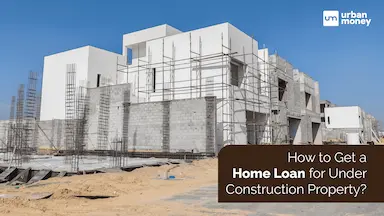
Home Loan Disbursement Process For Under Construction Property
Investing in under-construction properties offers affordability and long-term benefits. It is a popular choice among homebuyers. These properties provide flexible payment plans and potential appreciation in value over ti

Understanding Principal and Interest – An Introduction
Money makes the world go round, but borrowing it can sometimes feel like a puzzle. When you take a loan, you hear words like “principal” and “interest” tossed around, but what do they actually mean? Think of it this way:
