Stamp Duty on Gift Deed of Property: Rates, Rules and How to Calculate It
Gifting property to a family member involves more paperwork than most people expect. You need to draft, sign, witness, and register a document at the Sub-Registrar’s office. A tax needs to be paid. That tax is the stamp duty on a gift deed for property. Without it, the transfer carries no legal weight. This guide covers the rates, the difference between blood relative and non-relative transfers, how to calculate what you owe, and what happens tax-wise once the deed is registered.
- Personalized Home Loan solutions
- Expert guidance
- Application assistance
- Credit score discussion
- Home Loan Interest rate comparison
Table of Content
What Is a Gift Deed and Why Stamp Duty Still Applies
A gift deed records the voluntary transfer of property from one person to another without payment. Section 122 of the Transfer of Property Act, 1882, governs it. The donor transfers ownership during their lifetime. That is what separates it from a will.
The government taxes the transfer of ownership itself, not the transaction value. Under the Indian Registration Act, 1908, an unregistered gift deed for immovable property is not enforceable. Even when a father gifts a house to his son, he still pays stamp duty.
The donor pays the stamp duty and registration fee. If the donee pays instead, the transaction can be treated as a sale under the Transfer of Property Act. That reclassification can significantly change the taxes involved.
How Stamp Duty on a Gift Deed Differs From a Sale Deed
Sale deed stamp duty is applied to the transaction value, the price the buyer pays. A gift deed has no price. Most states charge a reduced rate because no commercial exchange took place. For transfers between blood relatives, several states go further and charge either a token amount or a flat fee.
The Allahabad High Court has held that stamp duty on a gift deed should be based on the property’s value, not a separately assessed market value. States apply this ruling differently in practice, so the number you actually pay depends on where the property is.
Stamp Duty Rates for Gifts to Blood Relatives vs Non-Relatives
| State | Rate for Blood Relatives | Rate for Non-Relatives |
| Maharashtra | ₹200 flat | 3% to 5% |
| Delhi | Nil to low (varies by gender and property type) | 4% to 6% |
| Karnataka | Nominal fixed charge | 5% |
| Madhya Pradesh | 1% | 5% |
| Uttar Pradesh | ₹5,000 flat + ₹1,000 processing fee | Standard rate |
| Rajasthan | Nil if husband gifts to wife | 6% |
| Telangana | 0.5% (min ₹1,000, max ₹10,000) | Standard rate |
| Kerala | 2% | 2% |
| Tamil Nadu | Concessional | 7% |
| Himachal Pradesh | 5% to 6% | 5% to 6% |
| Punjab | 6% | 6% |
| Sikkim | 1% | 1% |
Maharashtra is worth flagging separately. A residential or agricultural property gifted to a spouse, child, grandchild, or son’s widow attracts exactly ₹200 in stamp duty. A flat in Mumbai worth ₹1.5 crore, gifted to a daughter, attracts ₹200. Rates may change. Verify the current figure with the local Sub-Registrar or a property lawyer before executing the deed.
How Stamp Duty Is Calculated
Stamp duty on a gift deed of property is applied to the market value or the ready reckoner rate of the property, whichever is higher. The ready reckoner rate, also called the circle rate, is the minimum value the state government assigns to property in a particular area.
A straightforward example. A father gifts a flat in Bengaluru to his son. The flat’s ready reckoner value is ₹60 lakh. Karnataka charges a nominal fixed amount for transfers between blood relatives. If that same flat were gifted to a friend, Karnataka’s standard rate of around 5% applies.
₹60,00,000 × 5% = ₹3,00,000 in stamp duty.
That is what the friend transfer costs. For blood relative transfers, swap the standard rate for whatever concessional rate or flat fee your state prescribes. The base property value calculation stays the same.
Registration Charges in Addition to Stamp Duty
Stamp duty is not the only payment. The Sub-Registrar’s office also charges a separate registration fee, typically 1% of the property’s value. Some states cap this.
In Maharashtra, registration is 1% of the property value. Add the ₹200 stamp duty for a blood-relative transfer, and the total cost of registering a family gift deed is negligible even on a high-value property. Telangana splits the charges at 0.5% each, putting the total at 1% for relative transfers. Calculate both before you go. Stamp duty alone is not the full cost.
If you are planning to raise funds against a gifted property or purchase a new one, use the Home Loan Eligibility Calculator to estimate your borrowing capacity before applying.
Documents Required to Register a Gift Deed
Arriving at the Sub-Registrar’s office with missing documents means rescheduling. Bring everything on this list:
- The gift deed itself, drafted on stamp paper of the correct value, signed by the donor and donee in front of at least two witnesses who also sign the document.
- Identity proof of both parties: Aadhaar card, PAN card, or passport.
- Address proof of both parties.
- Recent passport-size photographs of both parties.
- Original title documents of the property being gifted.
- EC confirming the property has no outstanding dues, disputes, or liens.
- Property tax receipts showing payments are current up to the date of registration.
- NOC from the housing society, if the property is in a registered society.
- Relationship proof if claiming the blood relative concession: a birth certificate, marriage certificate, or equivalent document.
Tax Implications of Receiving a Gifted Property
Stamp duty is one cost. Income tax is another consideration entirely. Under Section 56(2)(x) of the Income Tax Act, 1961, property received from a specified relative is fully exempt from income tax. The property’s value does not matter. Parents, spouse, siblings, spouse’s siblings, and lineal ascendants and descendants all fall within the exempt category.
Outside that list, things change. If the property comes from a non-relative and its stamp duty value exceeds ₹50,000, the full stamp duty value is taxed as income from other sources in the year the donee receives it. On a high-value property, that is a significant tax liability.
There are two exceptions. Property received at the time of the donee’s marriage and property received through inheritance are both exempt regardless of who the donor is.
Capital gains come later. When the donee sells the property, the acquisition cost is what the original donor paid, not the value at the time of the gift. The holding period also runs from the donor’s original purchase date. Both of these details matter when calculating how much tax is owed on the eventual sale. If a home loan is taken against the property later, use the Home Loan Tax Benefit Calculator to estimate your eligible deductions under Section 80C and Section 24(b).
Step-by-Step: How to Register a Gift Deed
- Draft the gift deed: A lawyer prepares the deed on stamp paper of the applicable value. The deed must clearly describe the property, name both parties, and confirm the transfer is voluntary and without monetary consideration.
- Pay the stamp duty: Buy stamp paper of the correct value, or pay online through the state’s SHCIL portal, if available. The amount depends on the state rate and the property value.
- Sign in front of witnesses: Donor and donee sign together. At least two witnesses sign at the same time. All on the same occasion, in person.
- Go to the Sub-Registrar’s office: Both parties appear in person with all original documents: identity proofs, property papers, photographs, and the signed deed.
- Pay the registration fee: Typically 1% of the property value, paid at the office on the day.
- Biometric verification: The office records fingerprints and photographs of both parties. Standard procedure at all Sub-Registrar offices.
- Collect the registered deed: The Sub-Registrar endorses the deed and returns it. That document is the legal record of the transfer.
Can a Gift Deed Be Revoked and What Happens to Stamp Duty Already Paid
A registered gift deed can be revoked. Not easily, and not on any ground the donor chooses. Section 126 of the Transfer of Property Act, 1882, sets out what qualifies. Mutual written consent of both parties works. So does a breach of a written condition in the deed; for example, a requirement that the donee care for the donor that goes unfulfilled. Gifts obtained through fraud, misrepresentation, coercion, or undue influence can be challenged in court. Senior citizens have a specific route under the Maintenance and Welfare of Parents and Senior Citizens Act, 2007, if children stop providing support after receiving the property.
The stamp duty paid on the original deed is not refunded. A court-ordered cancellation requires a fresh deed of cancellation, which attracts its own stamp duty and registration charges. The money paid the first time is gone. On a high-value property, that loss is real. Factor it in before executing a gift deed under pressure or without full certainty.
If you are planning to purchase a new home instead of receiving one as a gift, compare the latest rates across lenders on the home loan interest rate page. Use the Home Loan EMI Calculator to estimate your monthly repayments, and the Home Loan Prepayment Calculator or Home Loan Balance Transfer Calculator to plan your repayment strategy once your loan is active.

 Written By

 Reviewed By
Last Updated: 25th September 2026
Frequently Asked Questions (FAQs)
Is stamp duty applicable even when property is gifted?
Yes.Stamp duty on a gift deed of property applies regardless of whether any money changed hands. The government taxes the transfer of ownership itself. An unstamped or unregistered gift deed for immovable property has no legal validity.
Is stamp duty lower for gifts between blood relatives?
Yes, in most states. Maharashtra reduces it to a flat Rs. 200. Madhya Pradesh charges 1%. Telangana charges 0.5%. The exact concession depends on the state and the specific relationship between donor and donee.
How is stamp duty on a gift deed calculated?
Take the market value or circle rate of the property, whichever is higher, and multiply by the applicable rate in your state. States that apply a flat fee for blood relative transfers, such as Maharashtra and Uttar Pradesh, charge that fixed amount regardless of the property value.
Do I have to pay income tax on a gifted property in addition to stamp duty?
Not if it comes from a specified relative. Property from parents, spouse, siblings, or lineal relatives is fully exempt under Section 56(2)(x). From a non-relative, if the stamp duty value exceeds Rs. 50,000, it is taxable as income from other sources in the year of receipt.
What documents are needed to register a gift deed?
The gift deed on stamp paper, identity and address proofs of both parties, original property title documents, encumbrance certificate, property tax receipts, and relationship proof if claiming the blood relative rate. Both parties must appear in person.
Can a gift deed be canceled after registration?
Yes, on valid legal grounds: mutual consent, breach of a written condition, fraud, coercion, or misrepresentation, not on a change of mind. The cancellation itself must be executed and registered as a fresh deed, with its own stamp duty and registration charges.
Does stamp duty on a gift deed vary by state in India?
Significantly. Stamp duty on a gift deed of property ranges from Rs. 200 in Maharashtra for eligible family transfers to 7% in Tamil Nadu and Manipur for non-relative gifts. Rates are revised periodically. Confirm the current rate with the local Sub-Registrar before proceeding.
Is registration charge separate from stamp duty on a gift deed?
Yes. Registration is a separate payment, typically 1% of the property value, paid at the Sub-Registrar’s office. Stamp duty and registration fee are two distinct charges, and both are mandatory.
Quick Links
Home Loan by Nationalized Bank
Home Loan by Private Bank
- Reliance Capital Home Loan
- YES Bank Home Loan
- RBL Bank Home Loan
- IDFC FIRST Bank Home Loan
- DCB Bank Home Loan
- Federal Bank Home Loan
- ICICI Bank Home Loan
- karur Vysya Bank Home Loan
- Axis Bank Home Loan
- CITI Bank Home Loan
- HDFC Bank Home Loan
- Housing Development Finance Corporation Home Loan
- HDFC Sales Home Loan
- Kotak Bank Home Loan
- IndusInd Bank Home Loan
- LIC Housing Finance Home Loan
- HSBC Home Loan
- IDBI Bank Home Loan
- karnataka bank Home Loan

Home Loan by NBFC
- Clix Capital Home Loan
- Vastu Housing Finance Home Loan
- Aadhar housing Finance Home Loan
- Hero FinCorp Home Loan
- Muthoot Finance Ltd Home Loan
- Edelweiss Financial Services Home Loan
- Cholamandalam Finance Home Loan
- Piramal Finance Home Loan
- SMFG India Credit Company Ltd Home Loan
- Ujjivan Small Finance Bank Home Loan
- Capri Global Home Loan
- Hero Housing Finance Home Loan
- Poonawalla Fincorp Limited Home Loan
- Aavas Financiers Home Loan
- Capital First Ltd. Home Loan
- IndiaBulls Home Loan
- IIFL Finance Home Loan
- L&T Finance Home Loan
- DHFL Home Loan
- Tata Capital Housing Finance Limited Home Loan
- Aditya Birla Housing Finance Limited Home Loan
- Home First Finance Company Home Loan
- Punjab National Bank Housing Finance Home Loan
- Godrej Housing Finance Home Loan
- Aditya Birla Finance Limited Home Loan
- Bajaj Finserv Home Loan
- ART Affordable Housing Finance Limited Home Loan
Home Loan Calculators
Bank wise Home Loan Calculators
- Axis Bank Home Loan Calculator
- Canara Bank Home Loan Calculator
- Idfc First Bank Home Loan Calculator
- Hsbc Home Loan Calculator
- Indusind Bank Home Loan Calculator
- Hdfc Bank Home Loan Calculator
- Kotak Bank Home Loan Calculator
- State Bank Of India Home Loan Calculator
- Aditya Birla Finance Limited Home Loan Calculator
- Idbi Bank Home Loan Calculator
- Iifl Finance Home Loan Calculator
- Karur Vysya Bank Home Loan Calculator
- Piramal Finance Home Loan Calculator
- Tata Capital Housing Finance Limited Home Loan Calculator
- Union Bank Of India Home Loan Calculator
- Punjab National Bank Home Loan Calculator
- Bank Of India Home Loan Calculator
- Bank Of Baroda Home Loan Calculator
- Lic Housing Finance Home Loan Calculator
- Punjab Sind Bank Home Loan Calculator
- Indian Bank Home Loan Calculator
- Bank Of Maharashtra Home Loan Calculator
- Citi Bank Home Loan Calculator
- Rbl Bank Home Loan Calculator
- Karnataka Bank Home Loan Calculator
- Federal Bank Home Loan Calculator
- Yes Bank Home Loan Calculator
- Icici Bank Home Loan Calculator
Bank Wise Home Loan Interest Rate
- Bank of Baroda Home Loan Interest Rate
- Union Bank of India Home Loan Interest Rate
- Indian bank Home Loan Interest Rate
- Punjab & Sind Bank Home Loan Interest Rate
- State Bank of India Home Loan Interest Rate
- Punjab National Bank Home Loan Interest Rate
- Canara Bank Home Loan Interest Rate
- Bank of India Home Loan Interest Rate
- Bank of Maharashtra Home Loan Interest Rate
- Reliance Capital Home Loan Interest Rate
- YES Bank Home Loan Interest Rate
- RBL Bank Home Loan Interest Rate
- IDFC FIRST Bank Home Loan Interest Rate
- DCB Bank Home Loan Interest Rate
- Federal Bank Home Loan Interest Rate
- ICICI Bank Home Loan Interest Rate
- karur Vysya Bank Home Loan Interest Rate
- Axis Bank Home Loan Interest Rate
- CITI Bank Home Loan Interest Rate
- HDFC Bank Home Loan Interest Rate
- Housing Development Finance Corporation Home Loan Interest Rate
- HDFC Sales Home Loan Interest Rate
- Kotak Bank Home Loan Interest Rate
- IndusInd Bank Home Loan Interest Rate
- LIC Housing Finance Home Loan Interest Rate
- HSBC Home Loan Interest Rate
- IDBI Bank Home Loan Interest Rate
- karnataka bank Home Loan Interest Rate
- Clix Capital Home Loan Interest Rate
- Vastu Housing Finance Home Loan Interest Rate
- Aadhar housing Finance Home Loan Interest Rate
- Hero FinCorp Home Loan Interest Rate
- Muthoot Finance Ltd Home Loan Interest Rate
- Edelweiss Financial Services Home Loan Interest Rate
- Cholamandalam Finance Home Loan Interest Rate
- Piramal Finance Home Loan Interest Rate
- SMFG India Credit Company Ltd Home Loan Interest Rate
- Ujjivan Small Finance Bank Home Loan Interest Rate
- Capri Global Home Loan Interest Rate
- Hero Housing Finance Home Loan Interest Rate
- Poonawalla Fincorp Limited Home Loan Interest Rate
- Aavas Financiers Home Loan Interest Rate
- Capital First Ltd. Home Loan Interest Rate
- IndiaBulls Home Loan Interest Rate
- IIFL Finance Home Loan Interest Rate
- L&T Finance Home Loan Interest Rate
- DHFL Home Loan Interest Rate
- Tata Capital Housing Finance Limited Home Loan Interest Rate
- Aditya Birla Housing Finance Limited Home Loan Interest Rate
- Home First Finance Company Home Loan Interest Rate
- Punjab National Bank Housing Finance Home Loan Interest Rate
- Godrej Housing Finance Home Loan Interest Rate
- Aditya Birla Finance Limited Home Loan Interest Rate
- Bajaj Finserv Home Loan Interest Rate
- ART Affordable Housing Finance Limited Home Loan Interest Rate
Latest from the Home Loan Blog
Get in-depth knowledge about all things related to Home Loan and your finances
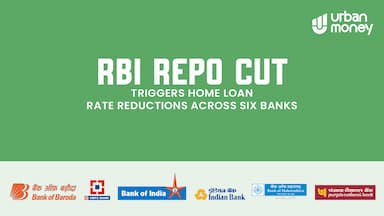
RBI Repo Cut 2025: Home Loan Rates Drop Across 6 Banks
Following the RBI’s 5 December repo rate cut to 5.25%, six major banks have begun trimming home loan benchmarks, so borrowers may soon see lower interest rates on floating-rate loans and lighter EMIs on existing home loa
Top 5 Legal Documents You Need for a Hassle-Free Home Loan Process
Getting a home loan can be smooth if you have all the right documents. Lenders need certain legal documents for a home loan to verify your identity, income, and property details. Having these ready in advance can speed u

Home Loan Exemptions : Tax Rebates, High Savings
A home loan can not only get you your dream home —it can also help you save on taxes! Home loan exemptions offered by the Income Tax Act (1961) allow borrowers to claim rebates that lower their taxable income. These exem
Home Loan Disbursement Process For Under Construction Property
Investing in under-construction properties offers affordability and long-term benefits. It is a popular choice among homebuyers. These properties provide flexible payment plans and potential appreciation in value over ti
Understanding Principal and Interest – An Introduction
Money makes the world go round, but borrowing it can sometimes feel like a puzzle. When you take a loan, you hear words like “principal” and “interest” tossed around, but what do they actually mean? Think of it this way:
